
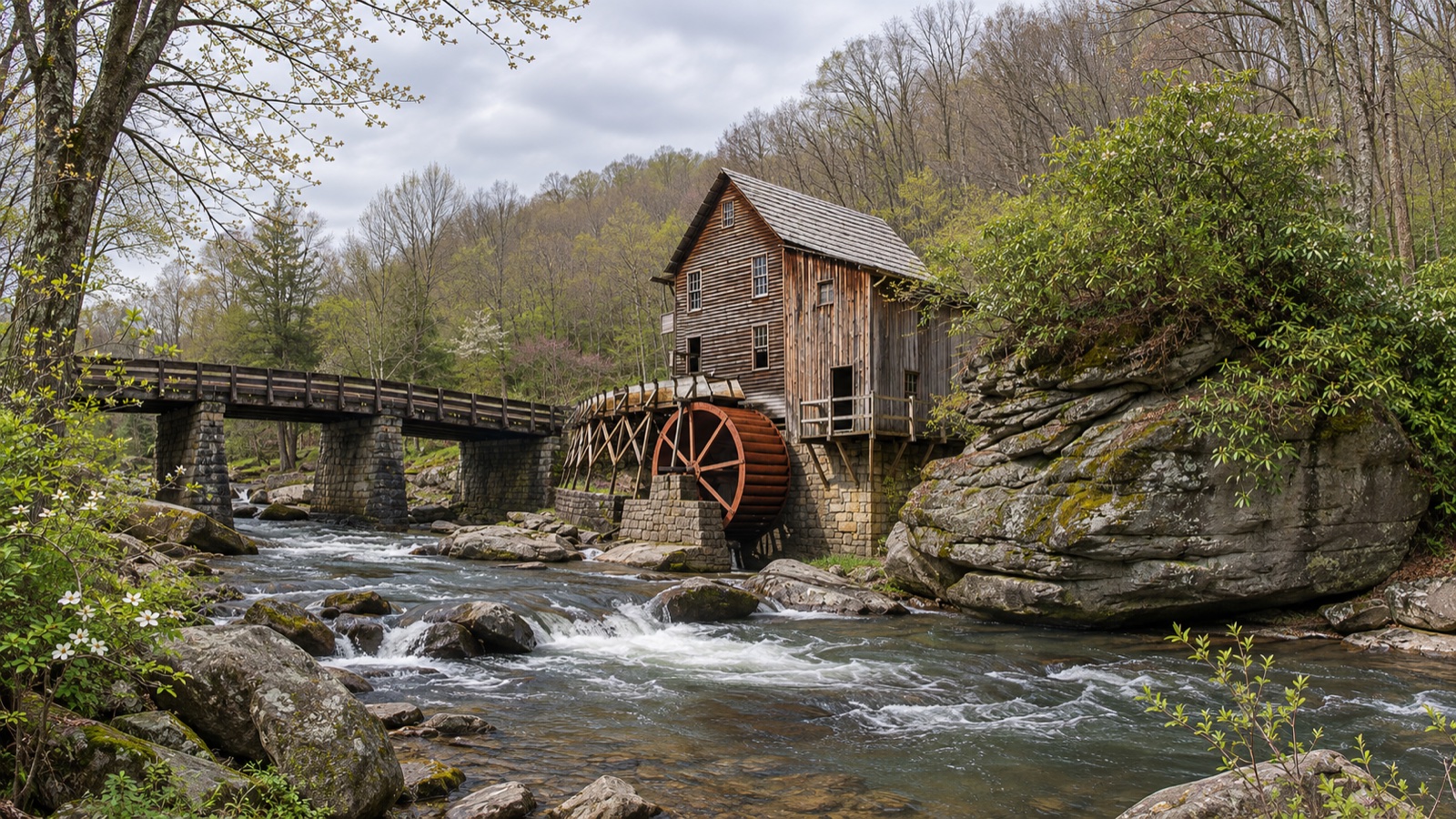
Featured image: AI-generated image based on a photograph by Gabor Eszes ( UED77 ), CC BY-SA 3.0. Generated image shared under the same license.

A quiet railroad depot, a rebuilt mill and an old courthouse can hold stories that are easy to miss on the way to a more famous overlook. These 15 places offer a closer look at the people, work and events that shaped West Virginia.
“Forgotten” is a matter of perspective: many of these places have dedicated local caretakers and active visitor programs. Some structures are reconstructed, some are seasonal, and none should be treated as permission to enter a closed building or private property.
1. Thurmond’s railroad town
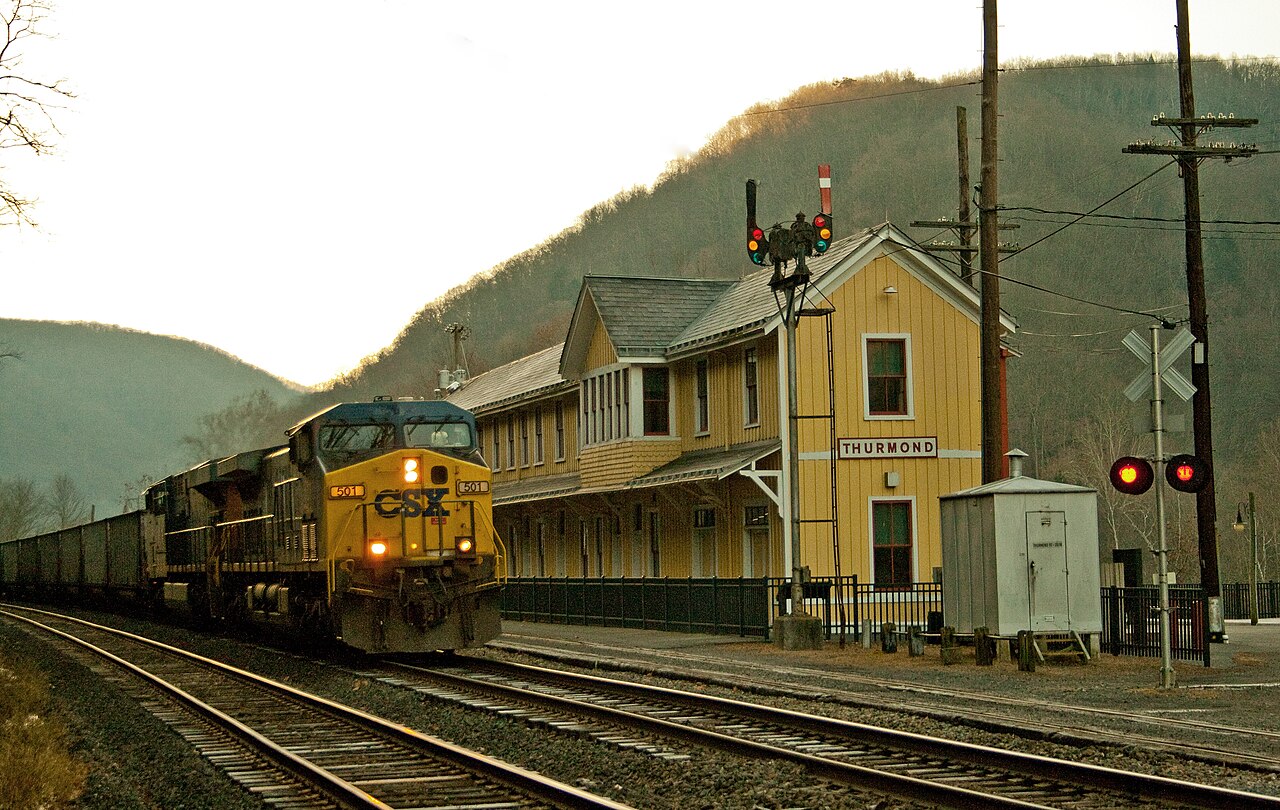

Once a busy railroad town, Thurmond still has a depot and commercial buildings beside the New River. Its location makes the scale of the railroad’s role in the gorge easier to picture than a paragraph in a textbook.
The depot visitor center is seasonal. Respect private property, stay clear of active tracks and check the park’s current road and trail notices before heading out. Visitor information.
2. Nuttallburg’s coal-mining complex
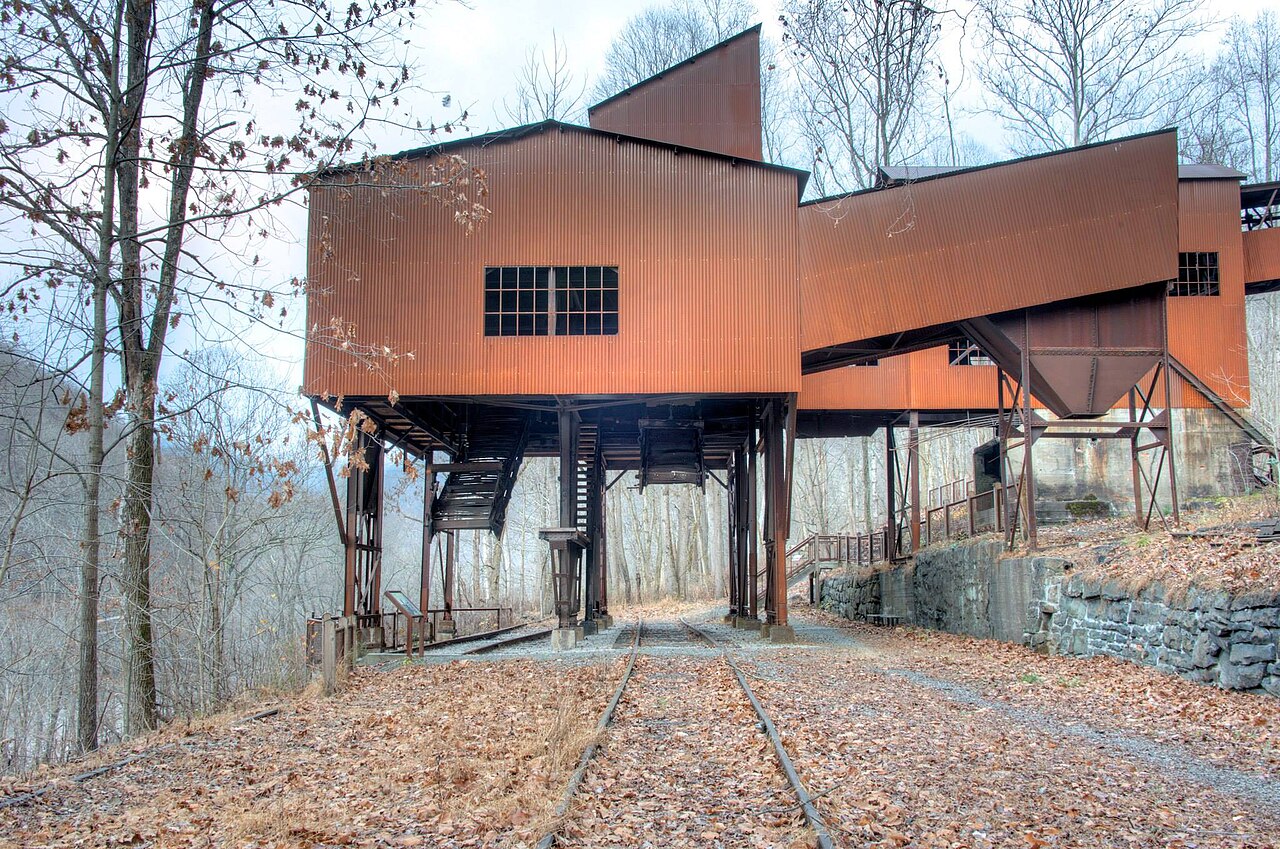

The surviving tipple and conveyor at Nuttallburg tell the story of a coal town built around the seam high above the river. The National Park Service describes it as one of the more intact coal-related industrial sites in the state.
The approach is narrow, steep and winding. Part of Keeney’s Creek Rail Trail was closed when checked in November 2026; consult current park alerts and stay out of restricted structures. Visitor information.
3. Prickett’s Fort
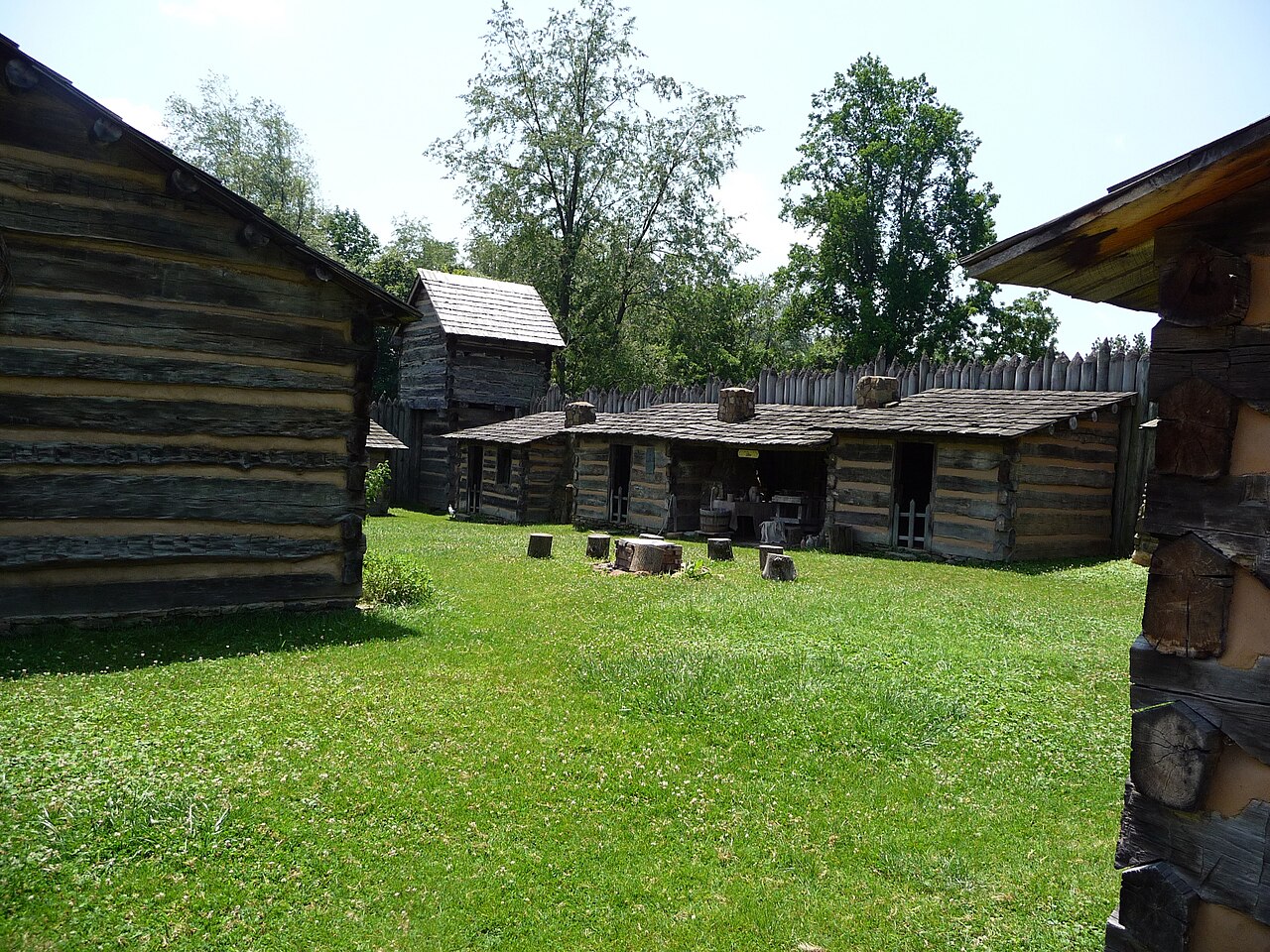

The original fort is gone, but a reconstruction and living-history programs interpret frontier life near present-day Fairmont. That distinction matters: visitors see a modern interpretation of an eighteenth-century setting.
Park entry is free; the fort and some activities charge admission. Check the seasonal schedule if you want to see interpreters at work. Visitor information.
4. Grave Creek Mound
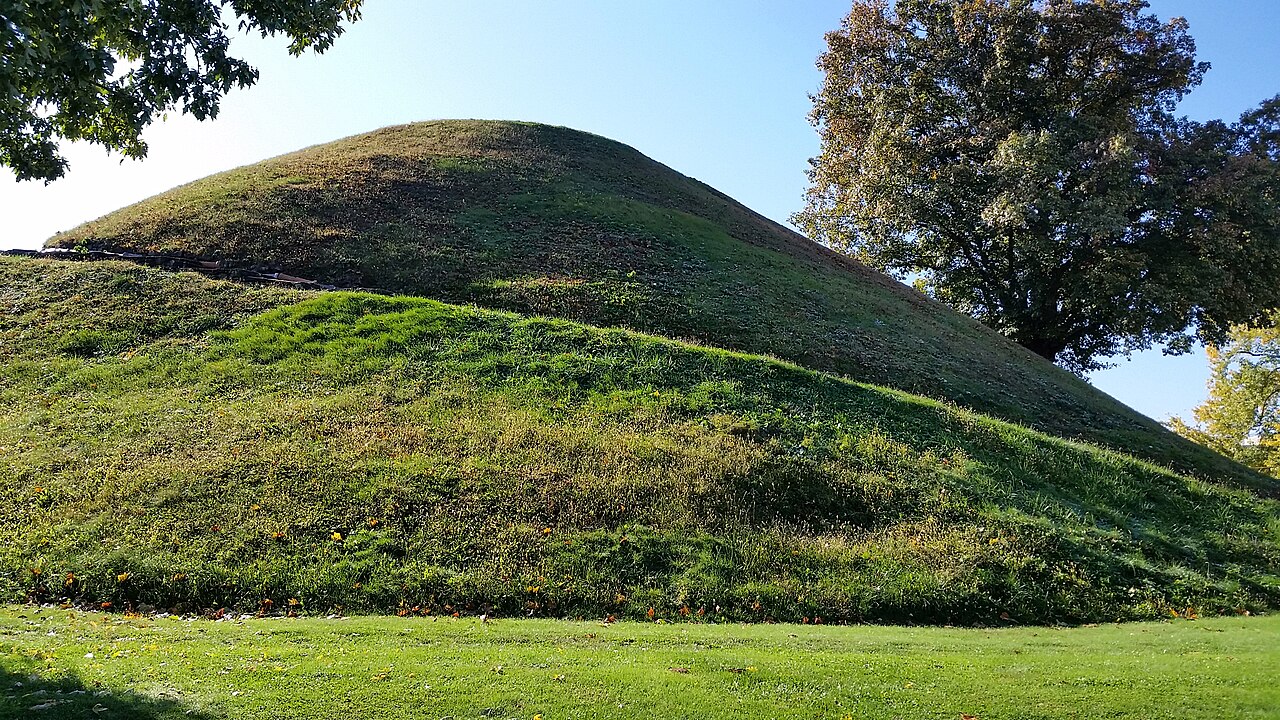

Long before these mountains became West Virginia, Indigenous people shaped the Ohio Valley landscape. The mound at Moundsville and its associated museum help explain this history and the archaeological work that preserves it.
The museum lists free admission. Treat the mound as a significant Indigenous site, and check opening hours before visiting. Visitor information.
5. West Virginia Independence Hall
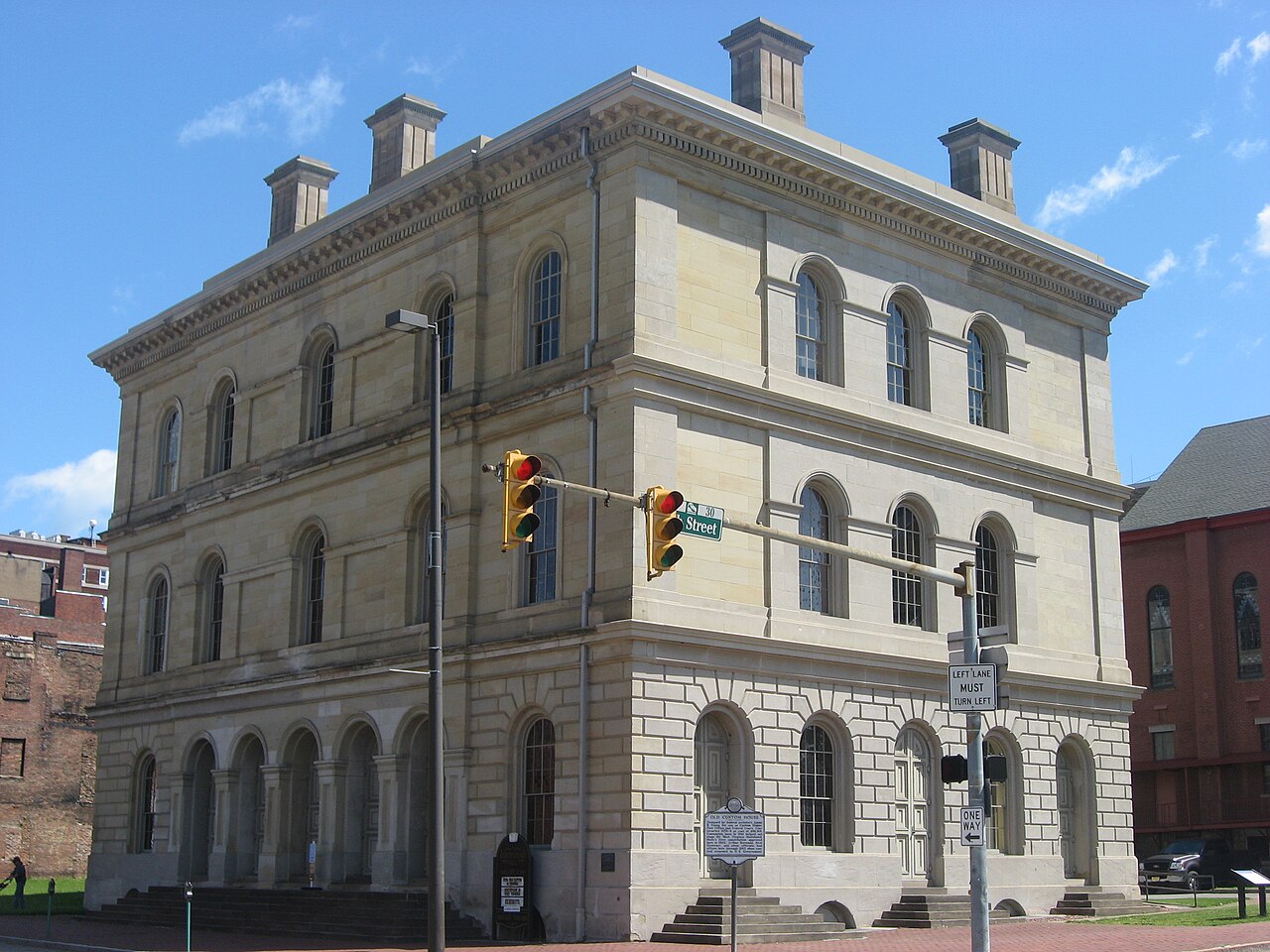

This Wheeling building is easy to pass without realizing how much statehood history is attached to it. Exhibits connect the federal courthouse and custom house to the political upheaval of the Civil War era.
Admission is free. The museum is careful to distinguish its role as the Restored Government of Virginia’s capitol from the later location of West Virginia’s legislature. Visitor information.
6. Watters Smith Memorial State Park
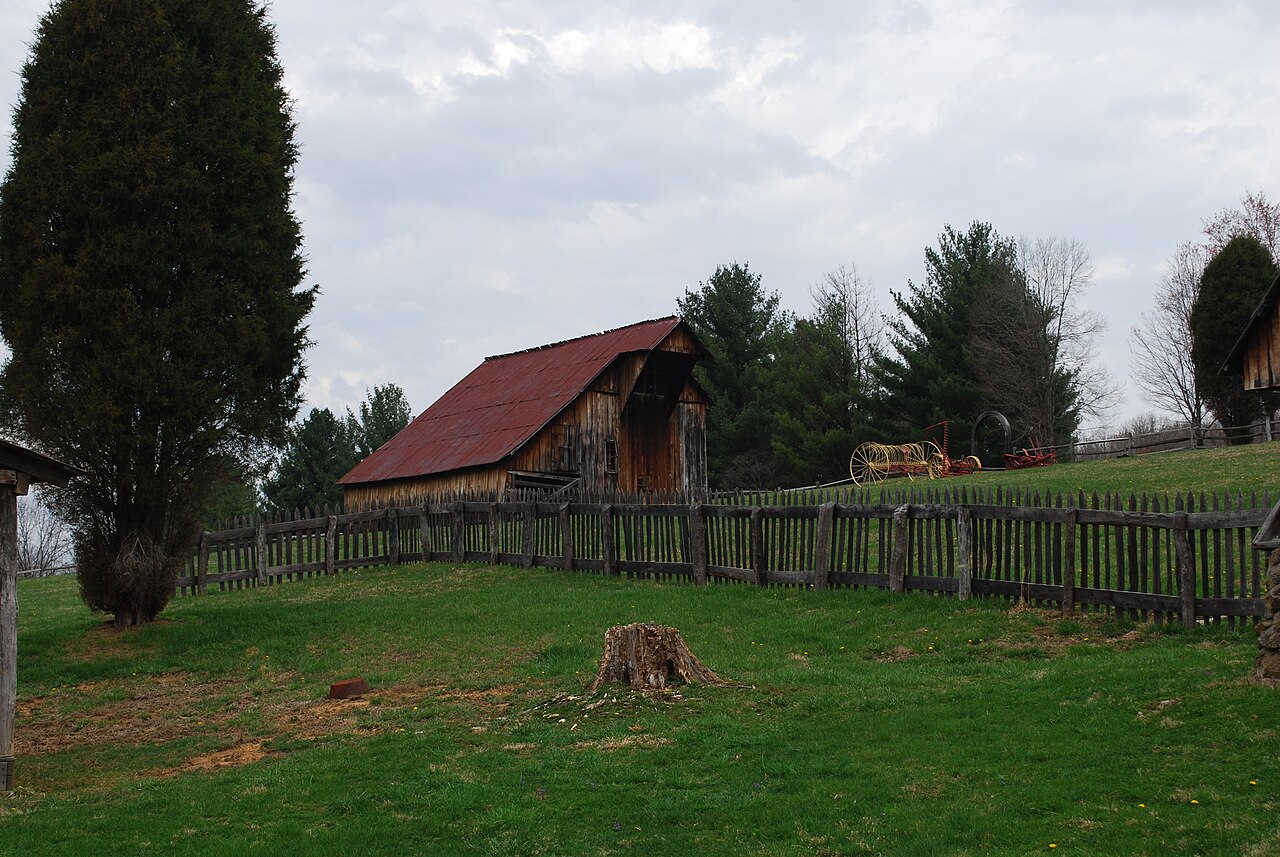

Near Lost Creek, a preserved homestead landscape introduces visitors to generations of one farming family. The park includes historic and reconstructed buildings, with trails and picnic space around them.
The Smith residence and museum are open on selected days in the warmer season. Confirm the tour schedule if seeing inside matters more than walking the grounds. Visitor information.
7. Carnifex Ferry Battlefield
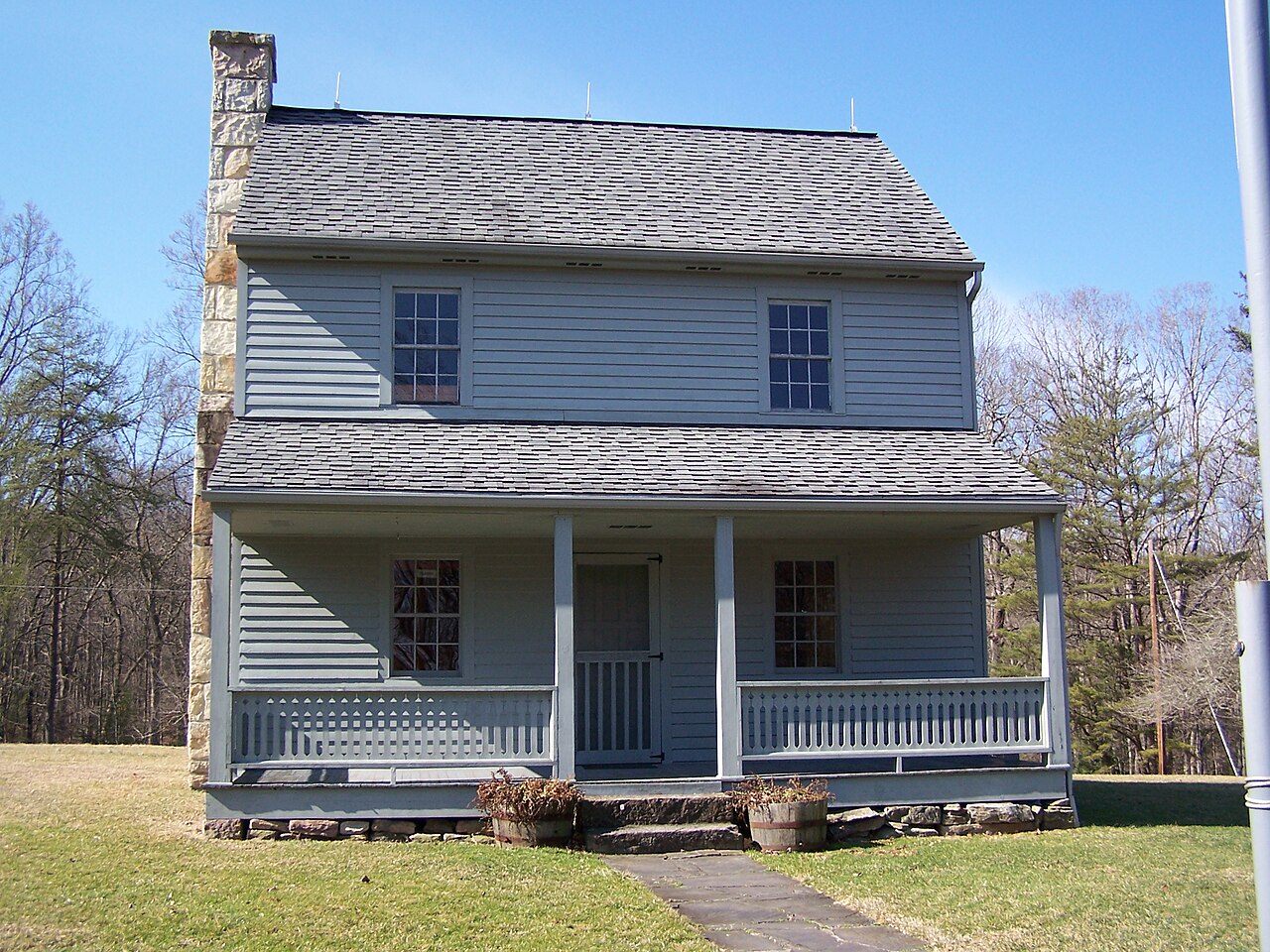

On the rim of the Gauley River canyon, this park preserves the setting of an 1861 Civil War battle. The Patterson House and interpretive grounds give a quiet place to consider the events that unfolded here.
Bring a picnic or walk the park’s trails, but check hours and any museum access before going. The landscape is part of the story, not just a backdrop. Visitor information.
8. Droop Mountain Battlefield
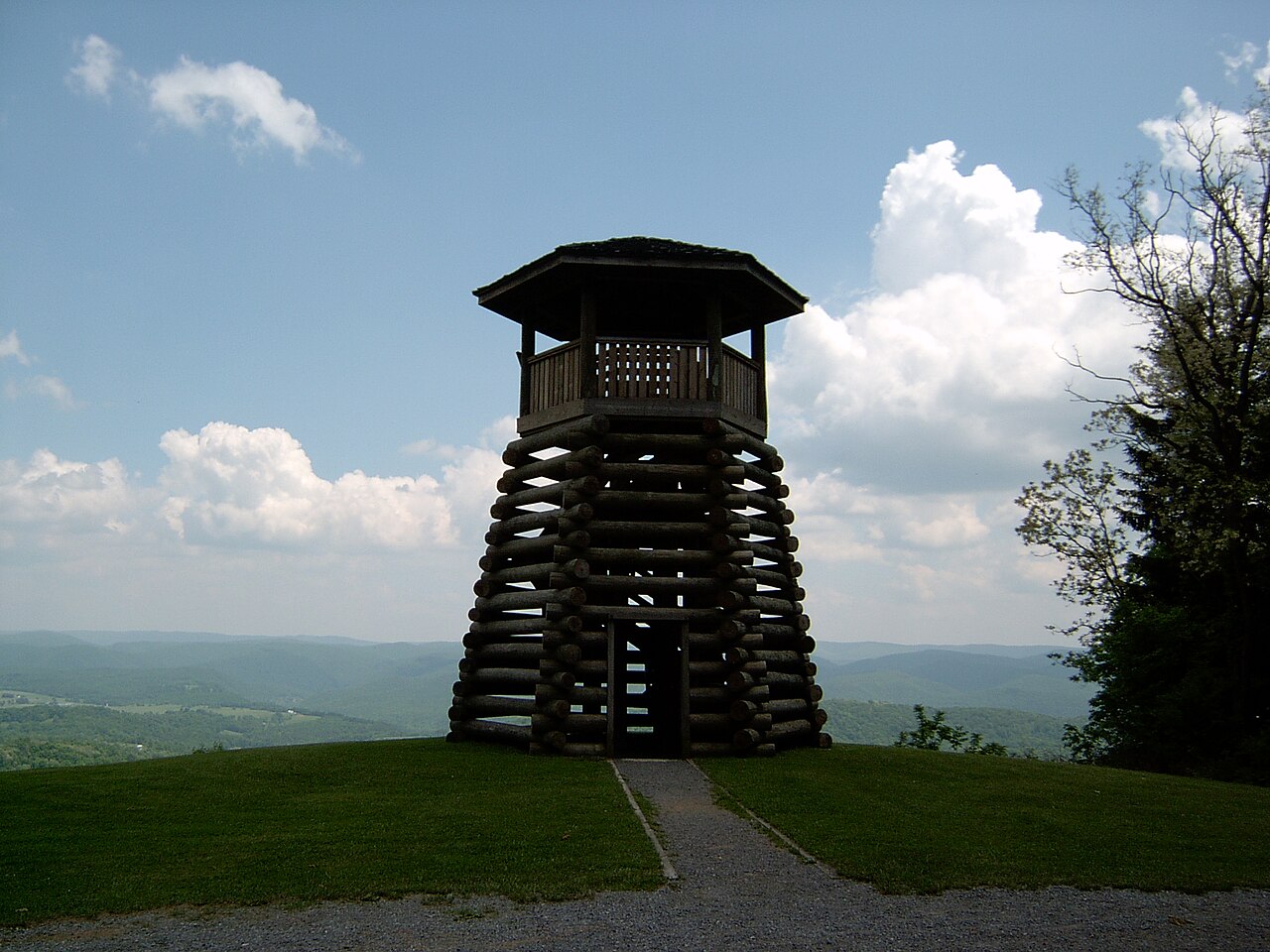

Droop Mountain was the site of an 1863 Civil War battle and became West Virginia’s first state park. An observation tower and trails add mountain views to the history.
Look at the park’s visitor information before traveling. Reenactments and other special events happen on their own schedules, not every weekend. Visitor information.
9. Tu-Endie-Wei and the Mansion House
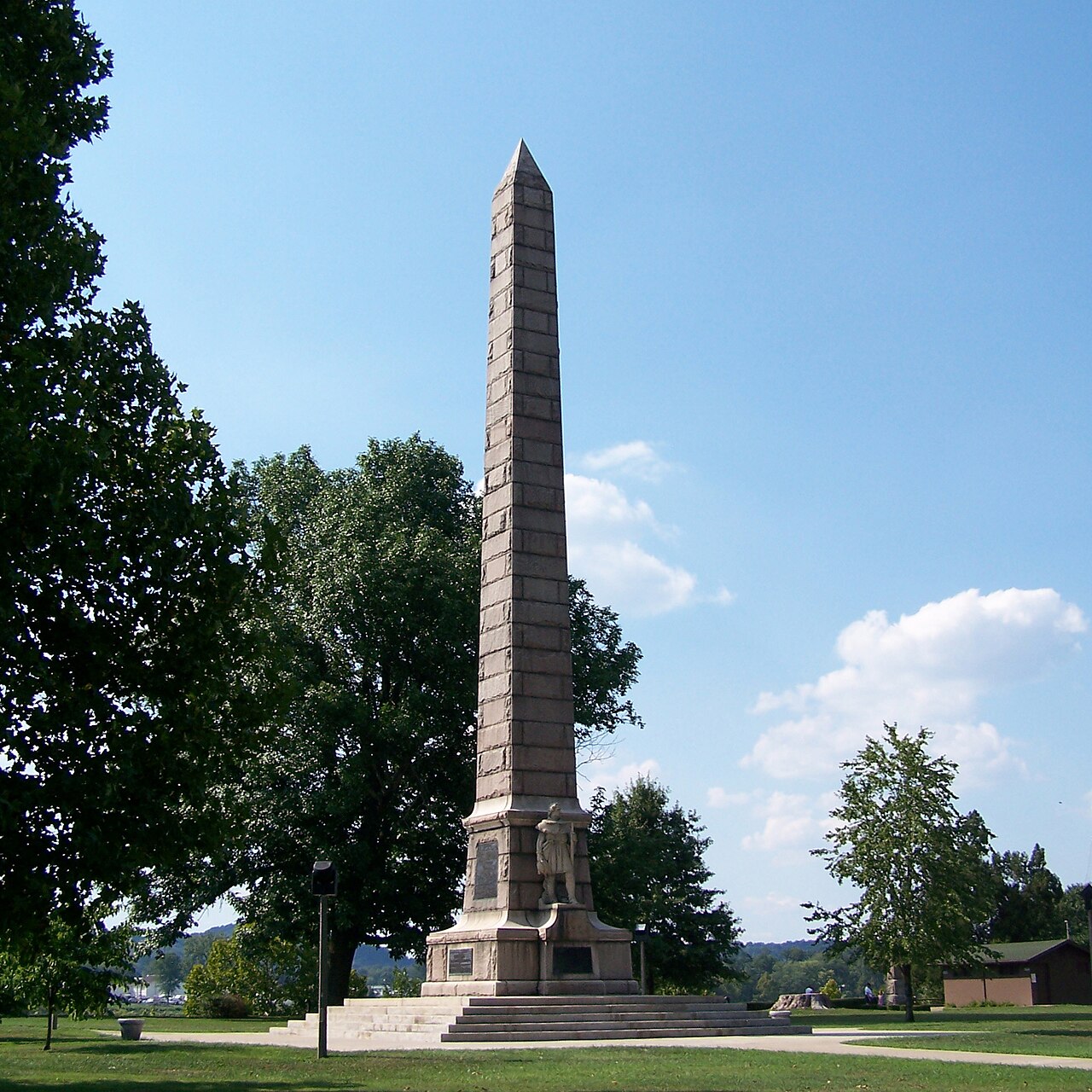

At Point Pleasant, a small park marks the meeting of two rivers and commemorates the 1774 battle fought in the area. The historic Mansion House adds another layer to the site.
The park is free and open year-round, while the Mansion House museum operates seasonally. Read about the battle from more than one perspective, including the Shawnee people involved. Visitor information.
10. Beckley’s Exhibition Coal Mine
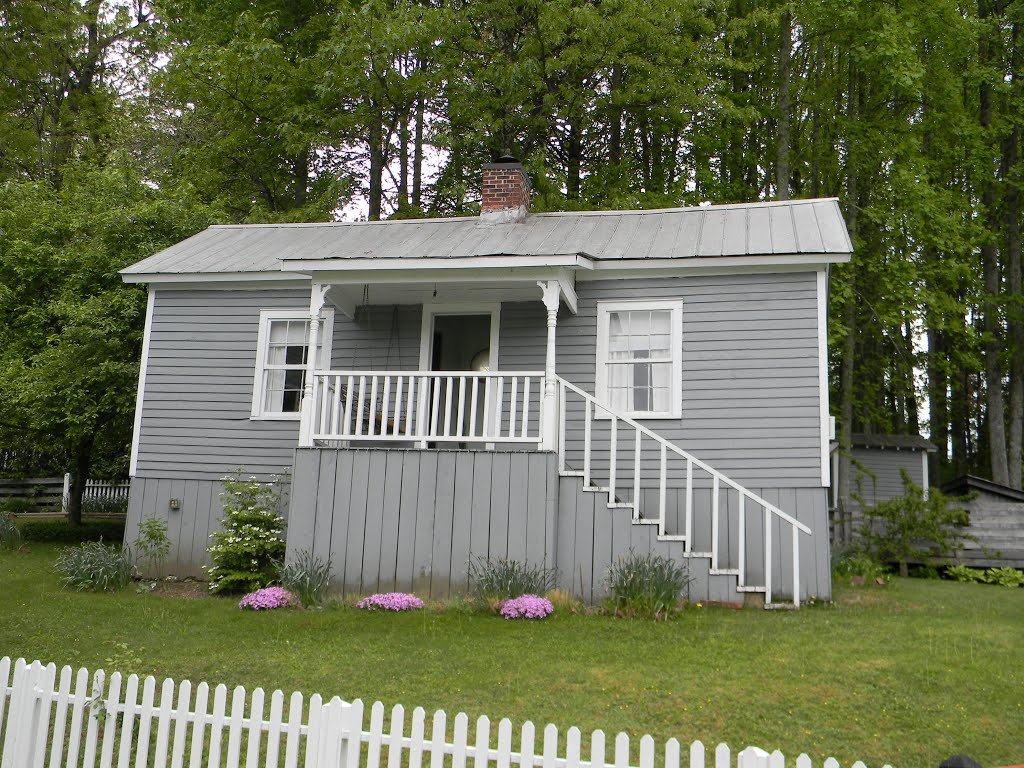

A ride into a former coal mine and a cluster of restored coal-camp buildings put working and family life into the same story. This is an interpretation site operated by the City of Beckley, not an invitation to explore an abandoned mine.
The mine has a regular operating season and charges admission. Check the city’s current dates and allow time for the camp buildings as well as the underground tour. Visitor information.
11. Cass and its logging railroad
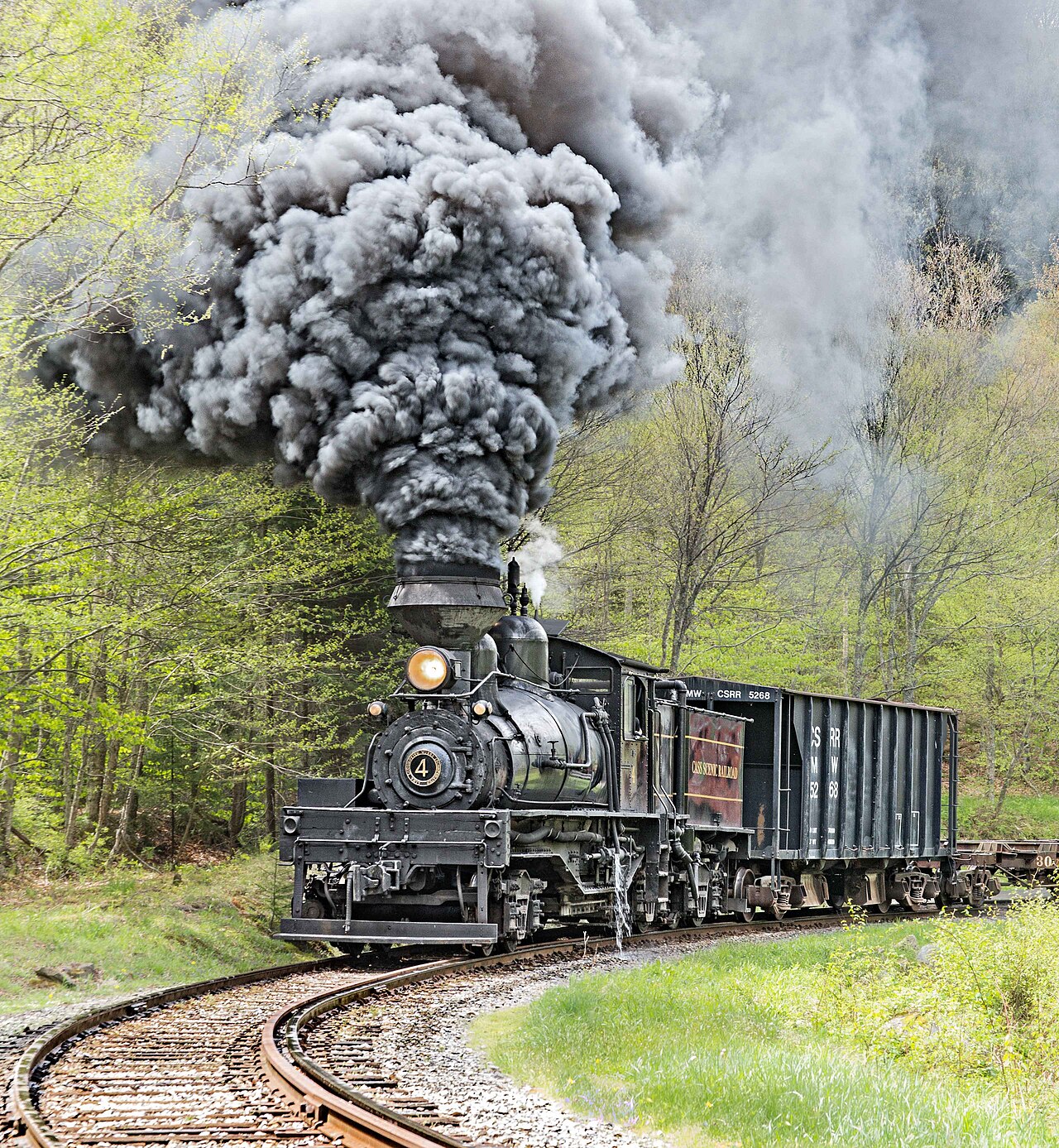

The company town of Cass and its logging railroad preserve a chapter of the timber industry. Historic houses and rail equipment help explain why a railroad was essential in these mountains.
Excursion rides are ticketed and seasonal. Check the railway schedule and current availability before making the trip, especially outside summer and fall. Visitor information.
12. Glade Creek Grist Mill
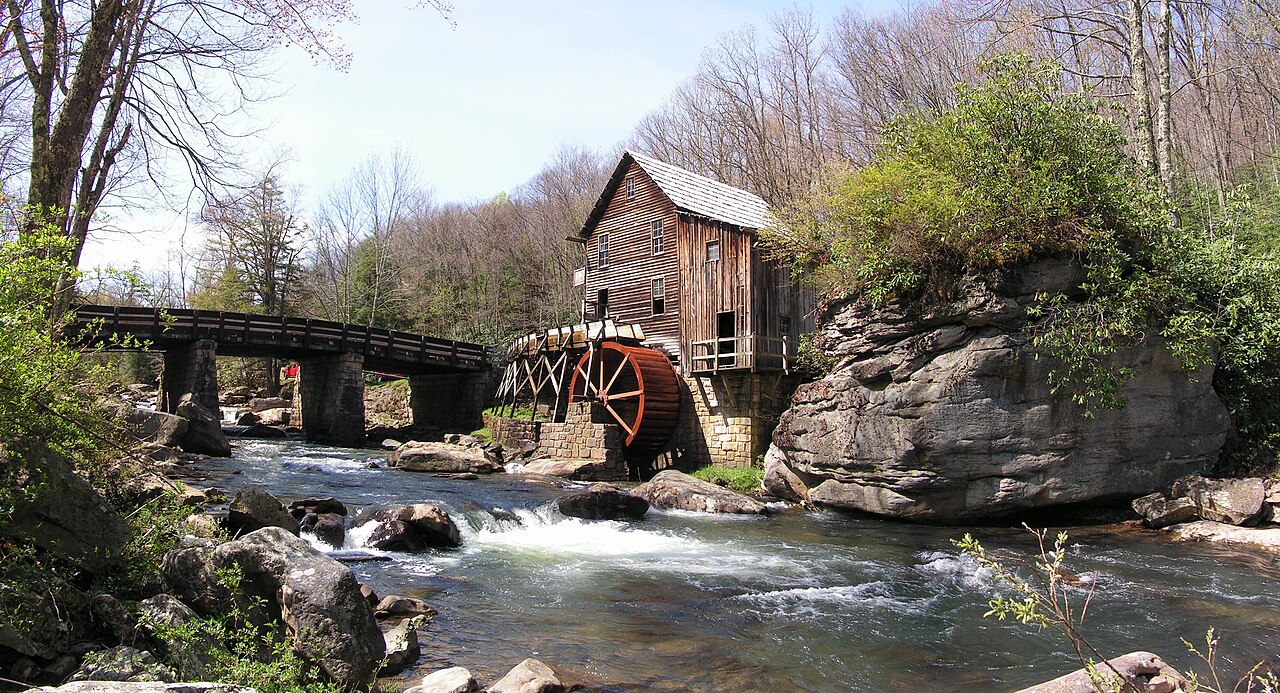
The mill looks as if it has always stood beside this stream, but its story is more interesting: it was assembled from parts of older West Virginia mills to recreate a mill once found on Glade Creek.
Babcock State Park is free to enter. Check whether the mill is operating if you hope to see the mechanism at work. Visitor information.
13. The former West Virginia Penitentiary
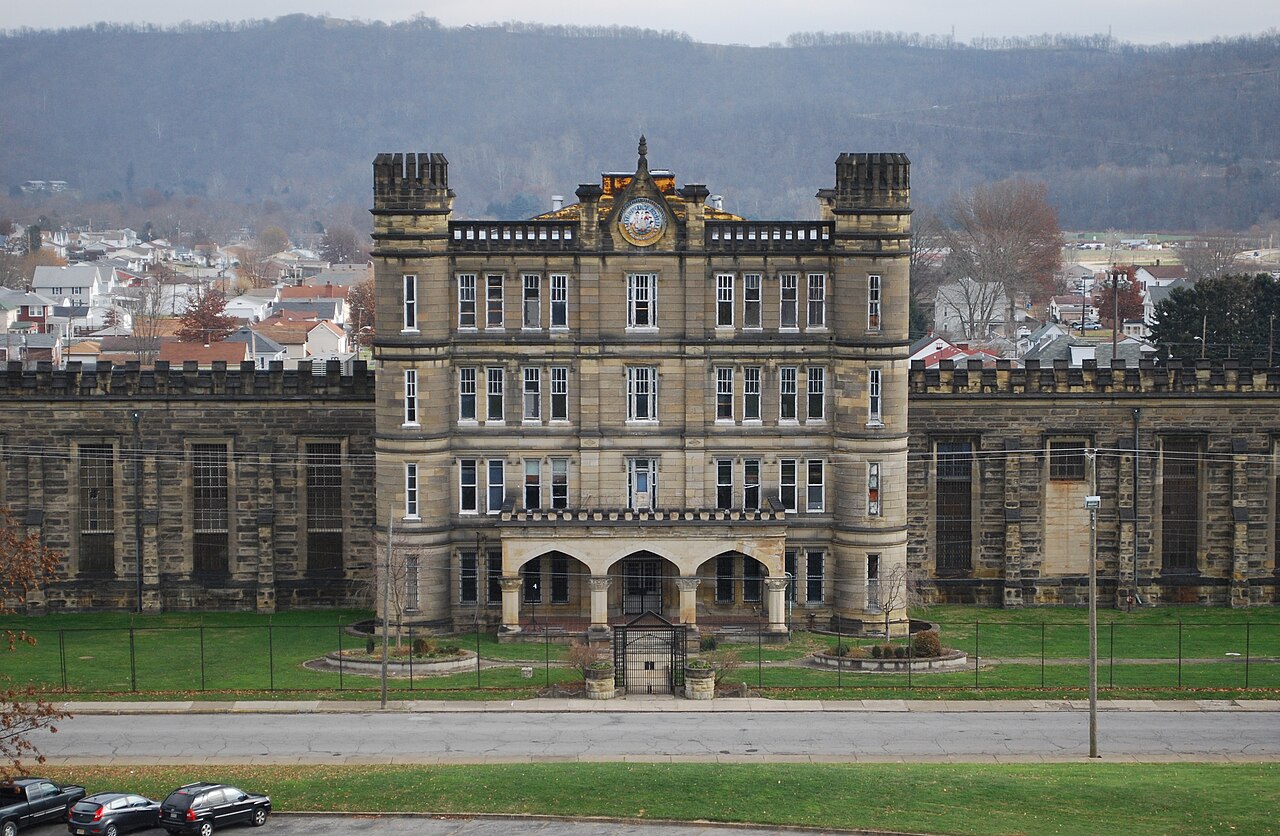

The Gothic-style prison in Moundsville stopped operating as a prison in 1995 and now offers tours. Its imposing exterior is only a starting point for the difficult human history of incarceration inside.
Tours have fees and schedules, and some experiences may not suit every visitor. Check the operator’s calendar and accessibility information before booking. Visitor information.
14. Blennerhassett Island’s reconstructed mansion
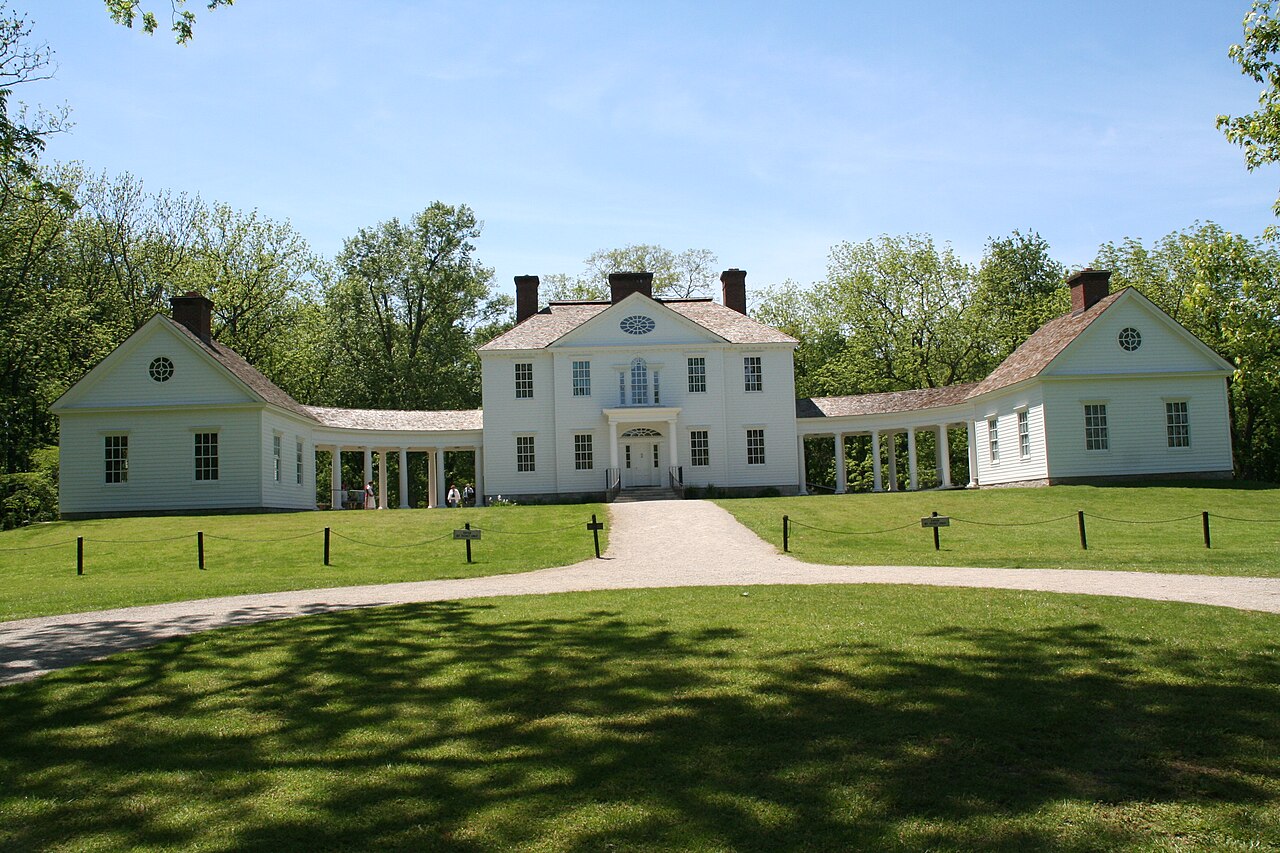

A river crossing delivers visitors to the site associated with Harman and Margaret Blennerhassett. The mansion seen today is a reconstruction, a useful reminder that preservation can involve careful rebuilding as well as saving original structures.
Boat service and island attractions are seasonal and ticketed. Check the current schedule before heading to Parkersburg. Visitor information.
15. The village of Helvetia
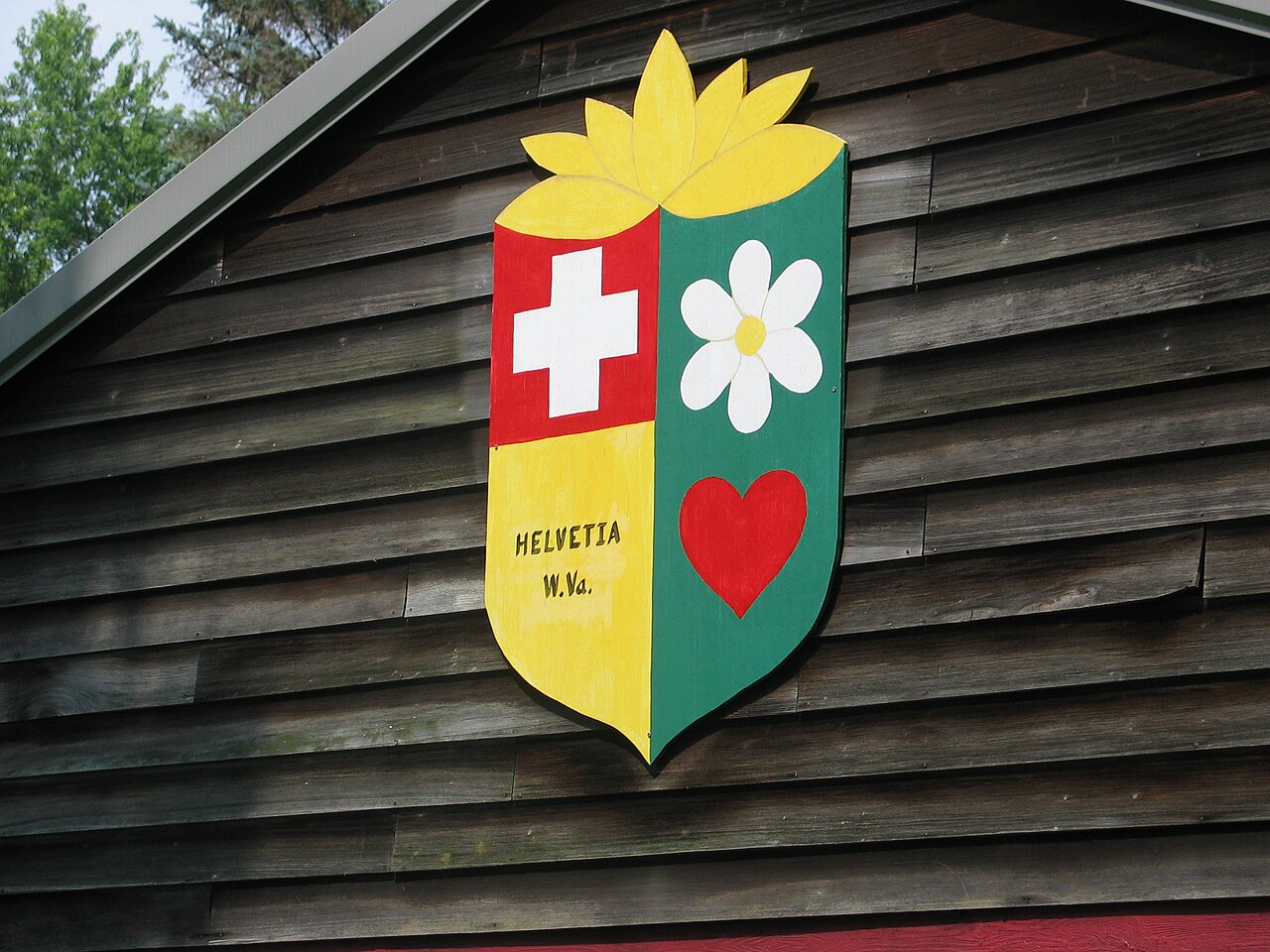

Helvetia’s Swiss and German heritage survives in a living mountain community rather than a single preserved building. Its traditions, events and family-run restaurant offer a different kind of historic attraction.
The village is small and residents’ homes are private. Check community and restaurant schedules, respect property and leave time for the winding drive. Visitor information.