
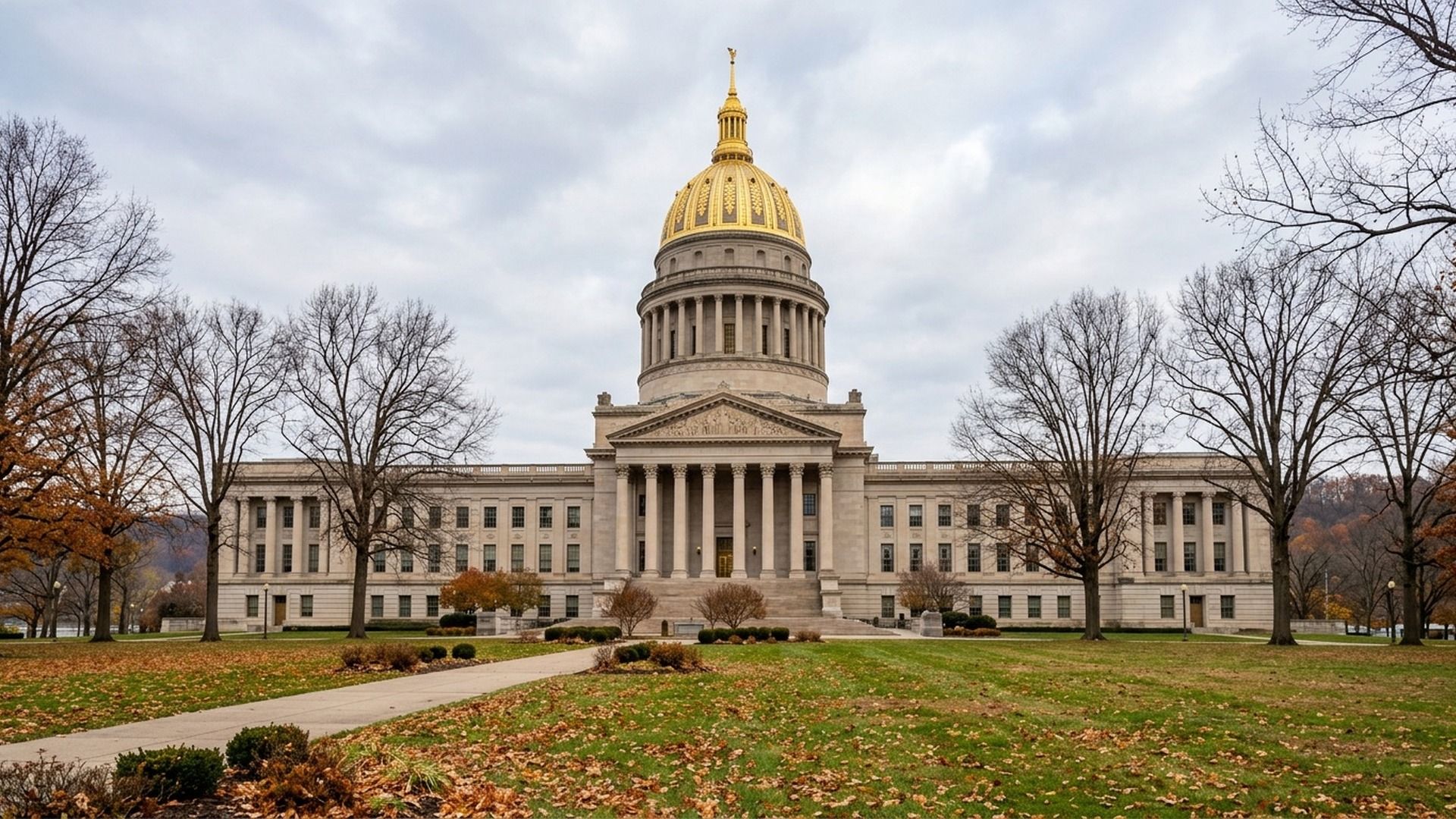
The fight over how West Virginia pays for its public schools has landed squarely in front of the state's highest court, and the state's lawyers want it thrown out.
The office of Attorney General JB McCuskey filed a motion on Nov. 13 asking the Supreme Court of Appeals of West Virginia to dismiss a lawsuit that challenges the state's school aid formula. The suit was filed in September by the American Civil Liberties Union of West Virginia on behalf of a Lincoln County sixth-grader, identified in court papers only by her initials, and her mother.
The case goes straight to the Supreme Court and asks the justices to order the Legislature and other state officials to fix a funding system the petition says falls short of the state constitution. Article XII of the West Virginia Constitution requires the Legislature to provide "a thorough and efficient system of free schools."
The named respondents include House Speaker Roger Hanshaw and Senate President Randy Smith, along with State Auditor Mark Hunt, Treasurer Larry Pack, Tax Commissioner Matthew Irby, the School Building Authority, the state Department of Education and Board of Education, State Superintendent Michele Blatt, and Lincoln County school and county officials.
In the new filing, state attorneys make two main arguments. First, they say legislative immunity, rooted in the state constitution's Speech or Debate Clause and in two state laws, means the court has no jurisdiction over the Speaker and the Senate President, and they ask that both be dismissed with prejudice. Second, they argue the student has not shown legal standing, saying the petition does not link the harm to her education to anything the state officials did, and that no proof was offered that her mother pays state taxes. On that ground, they ask the court to dismiss the case against all of the state officers without prejudice.
The state had already asked the court to put the case on hold until after the 2027 regular legislative session, so lawmakers would have time to take up the funding formula themselves. State education officials support that delay, while the Lincoln County school board took no position.
The ACLU of West Virginia has pushed back against waiting. In a response filed earlier this month, its attorneys argued that students and schools have heard years of promises about reform that never arrived. They asked that, if the justices do pause the case, the court bar state education officials from approving school closures while the case is on hold.
The stakes are real in communities from the coalfields to the Eastern Panhandle. Money troubles have brought a wave of school closures and consolidations across the state, driven in large part by rising special education costs and falling enrollment. State education officials have told lawmakers it would take about $410 million more in state aid to stabilize school finances, and they have warned that 8 to 20 schools could face closure or consolidation in the coming year. Last month, the Department of Education put forward a framework for updating the funding formula as a starting point for legislators.
No ruling has been made on the motion to dismiss or on the request to pause the case. West Virginia Pulse will keep following it as the justices weigh the filings and the 2027 session draws near.