
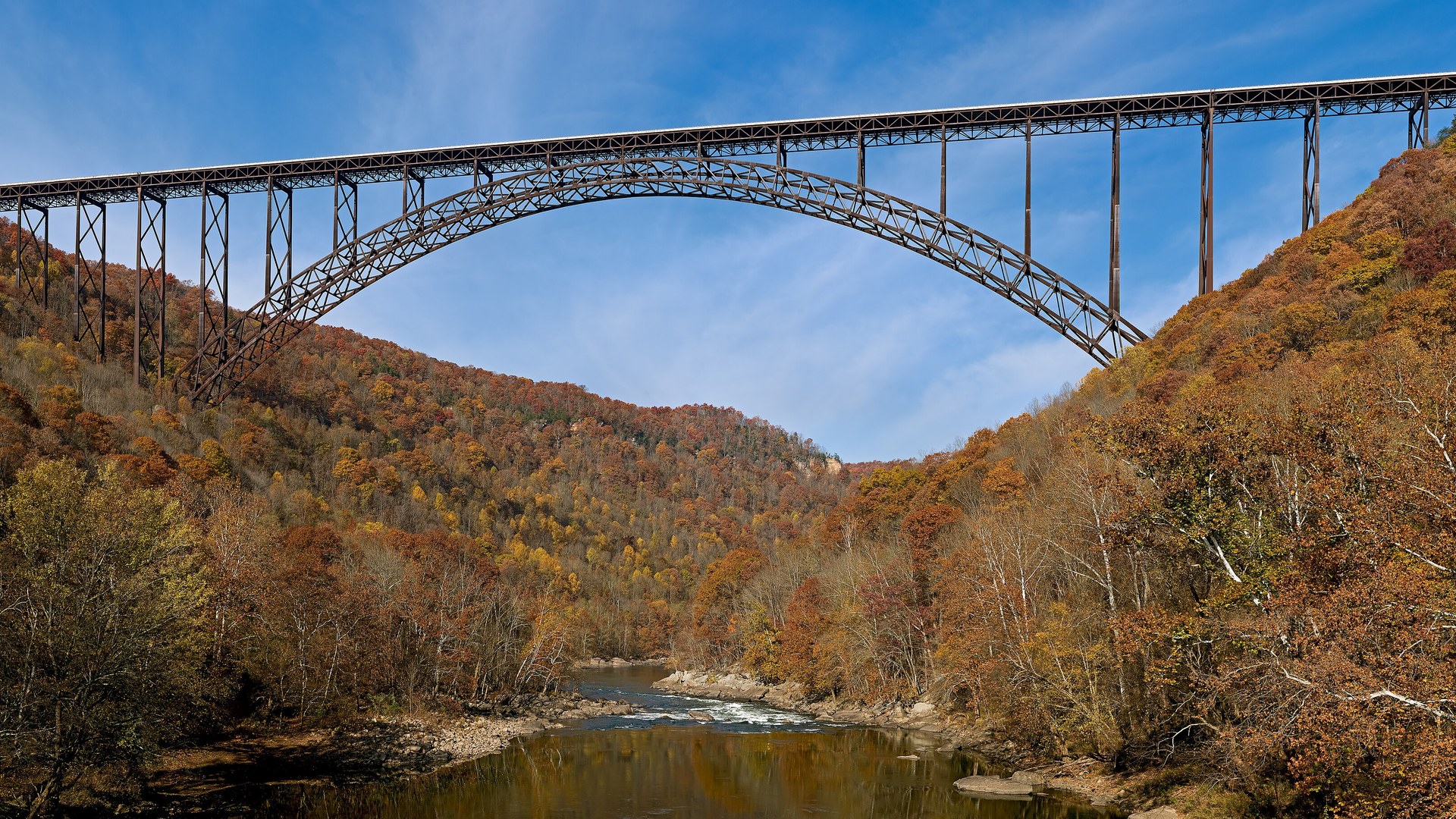
Top photo: The New River Gorge Bridge near Fayetteville. Photo: JaGa, via Wikimedia Commons (CC BY-SA 4.0), cropped to 16:9.
Ask ten West Virginians for their favorite town and you'll get ten answers, a story about somebody's grandmother, and a strong opinion about pepperoni rolls. That's the beauty of this state. We don't have one big-city headliner. We have dozens of places, each with its own personality, tucked into river bends, mountain hollows and high valleys.
Whether you live here and need a weekend away or you're planning your first trip to the Mountain State, this guide rounds up 13 West Virginia cities and towns that are truly worth the drive. For each one, you'll find why it's special, what to do, where to eat, where to rest your head and the best time to go. We've grouped them roughly from the Eastern Panhandle west to the Ohio River, so you can stitch two or three together into one road trip.
One quick tip before you go: hours in small mountain towns shift with the seasons, and many favorite spots close a day or two midweek. Call ahead or check a business's own page before you make the drive.
Quick Guide: Which West Virginia Town Is Best for You?
| Town | Best for | Best time to go |
|---|---|---|
| Harpers Ferry | History and river views | April–May, October |
| Shepherdstown | Walkable charm, food, theater | July, fall weekends |
| Berkeley Springs | Spa weekends and art | Spring, October |
| Charleston | Culture, music, dining | May–October |
| Fayetteville | Adventure and whitewater | June–October |
| Beckley | Coal heritage and families | April–October |
| Lewisburg | Foodies and arts lovers | Year-round; August fair |
| Thomas & Davis | Waterfalls, skiing, live music | October, January–March |
| Elkins | Scenic trains and the forest | May–October |
| Morgantown | College-town energy and trails | September–October |
| Wheeling | Holiday lights and Victorian history | November–early January |
| Huntington | Parks, museums, classic eats | May–October |
| Point Pleasant | Legends and river history | Third weekend of September |
1. Harpers Ferry: Where Two Rivers and Three States Meet
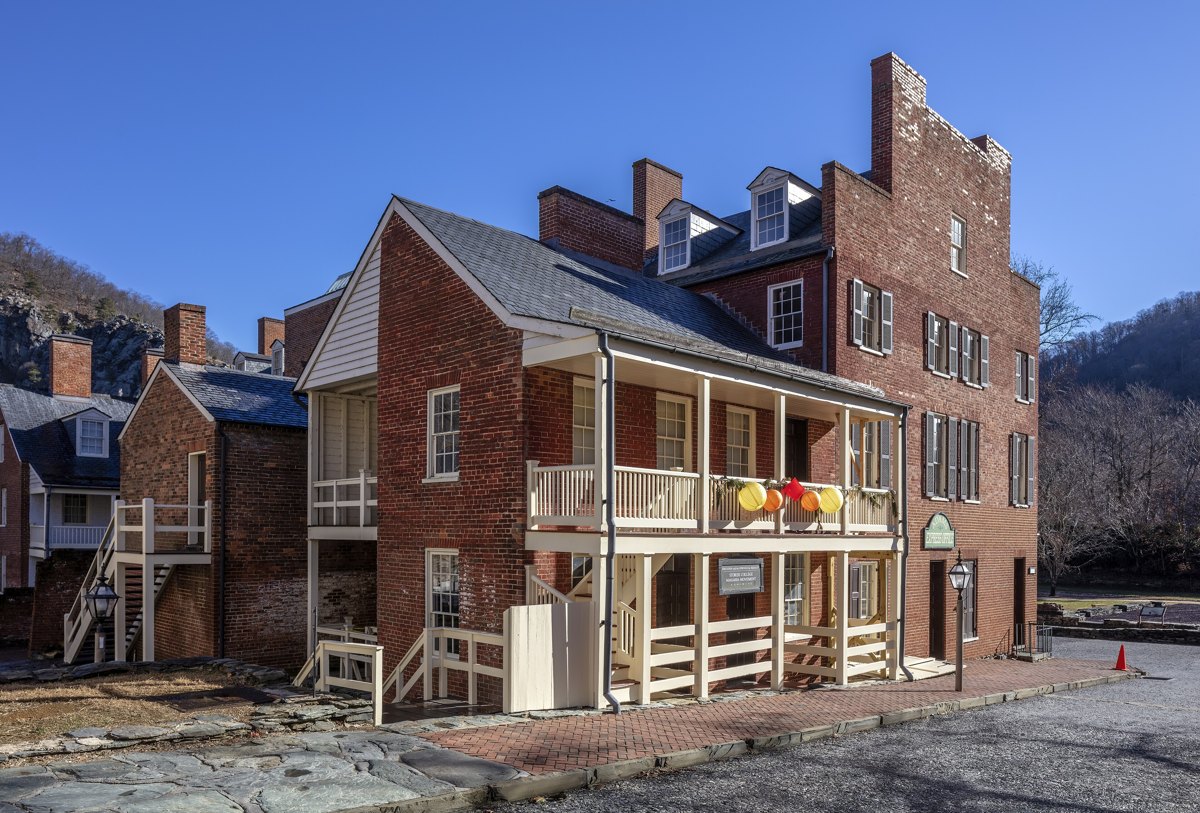
Stand at the Point in Lower Town and you can watch the Shenandoah pour into the Potomac, with Maryland's cliffs straight ahead and Virginia's ridges off to the right. Few places in America pack this much history into a few steep streets. Most of the old town is part of Harpers Ferry National Historical Park, so whole blocks look much as they did in the 1800s.
What to do: Start at the park's main visitor center on Cavalier Heights and ride the park shuttle down, because parking in Lower Town is very limited. Walk past John Brown's Fort, climb the stone steps to Jefferson Rock, and browse the small museums tucked into restored storefronts. Hikers should tackle the Maryland Heights Trail across the footbridge; it's a steep climb of about 4.5 to 6.5 miles round trip, depending on the loop, but the overlook is the postcard view of the town. The Appalachian Trail runs right through town, and the Appalachian Trail Conservancy's visitor center on Washington Street is a fun stop even if you never plan to hike all 2,000-plus miles. The flat C&O Canal Towpath across the river is perfect for an easy bike ride.
Where to eat: Grab coffee and breakfast in Lower Town before the crowds arrive, then head uphill toward Bolivar and Washington Street for sit-down lunches and dinners with more breathing room.
Where to stay: The Town's Inn puts you right in Lower Town, a few steps from the trail and the rivers. You'll find more inns, cabins and chain hotels along U.S. 340 and in nearby Charles Town.
Best time to go: Spring and October, when it's cool enough to climb. Summer weekends are busy, so arrive early.
2. Shepherdstown: West Virginia's Oldest Town Has Never Looked Better
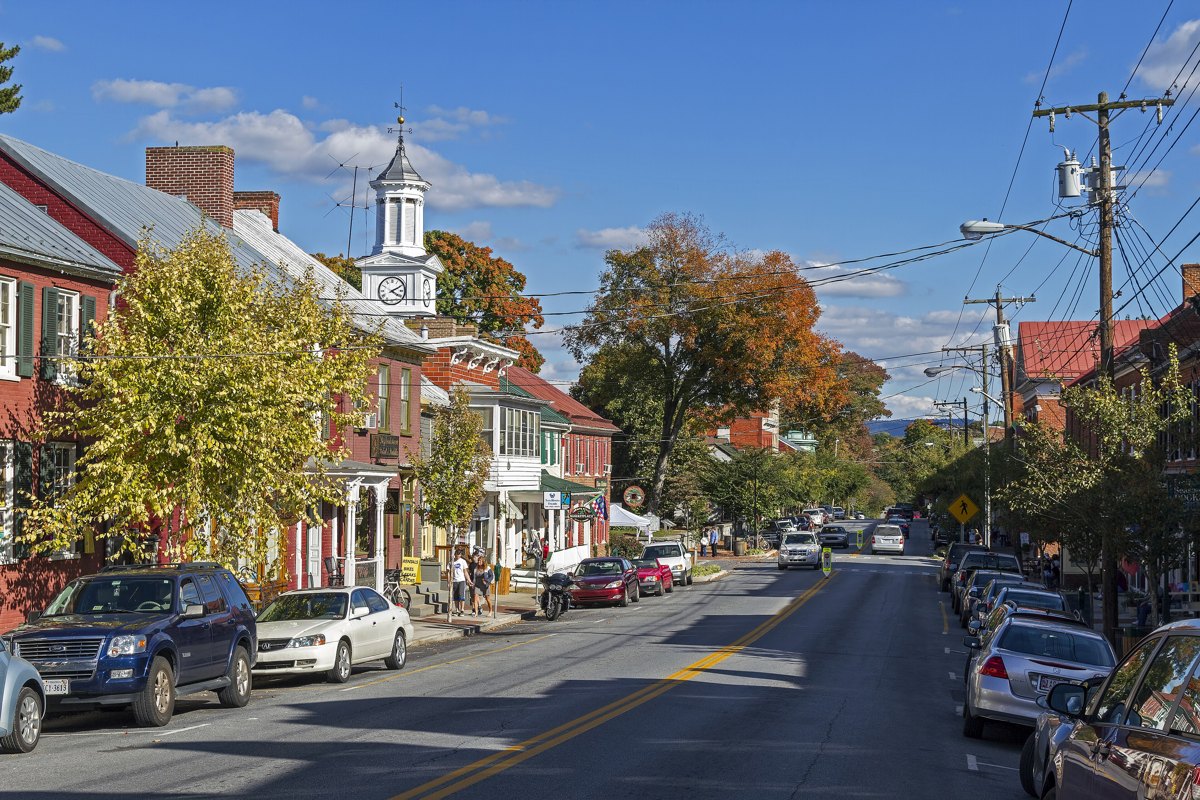
Chartered in 1762, Shepherdstown is widely recognized as the oldest town in West Virginia, and it wears its age beautifully. German Street is lined with brick storefronts, bookshops, cafés and galleries, and the Shepherd University campus keeps things lively year-round.
What to do: Stroll German Street and the side lanes, browse the bookshops and galleries, and cross the Potomac to walk or bike the C&O Canal Towpath. Antietam National Battlefield is about a 10-minute drive away in Sharpsburg, Maryland. In July, the Contemporary American Theater Festival brings new plays to Shepherd University's stages.
Where to eat: This little town eats well. Bistro 112 does French classics, Blue Moon Café is a cozy, vegetarian-friendly local favorite, and Alma Bea puts an Appalachian spin on Southern cooking. For a riverside meal and a house-brewed beer, the Bavarian Inn's dining room and brewpub sit right above the Potomac.
Where to stay: The Bavarian Inn is the classic choice, with Potomac views and a pool. Small inns and guesthouses within walking distance of German Street fill up fast on festival weekends.
Best time to go: July for theater, or any fall weekend when the trees along the river turn gold.
3. Berkeley Springs: America's First Spa Town
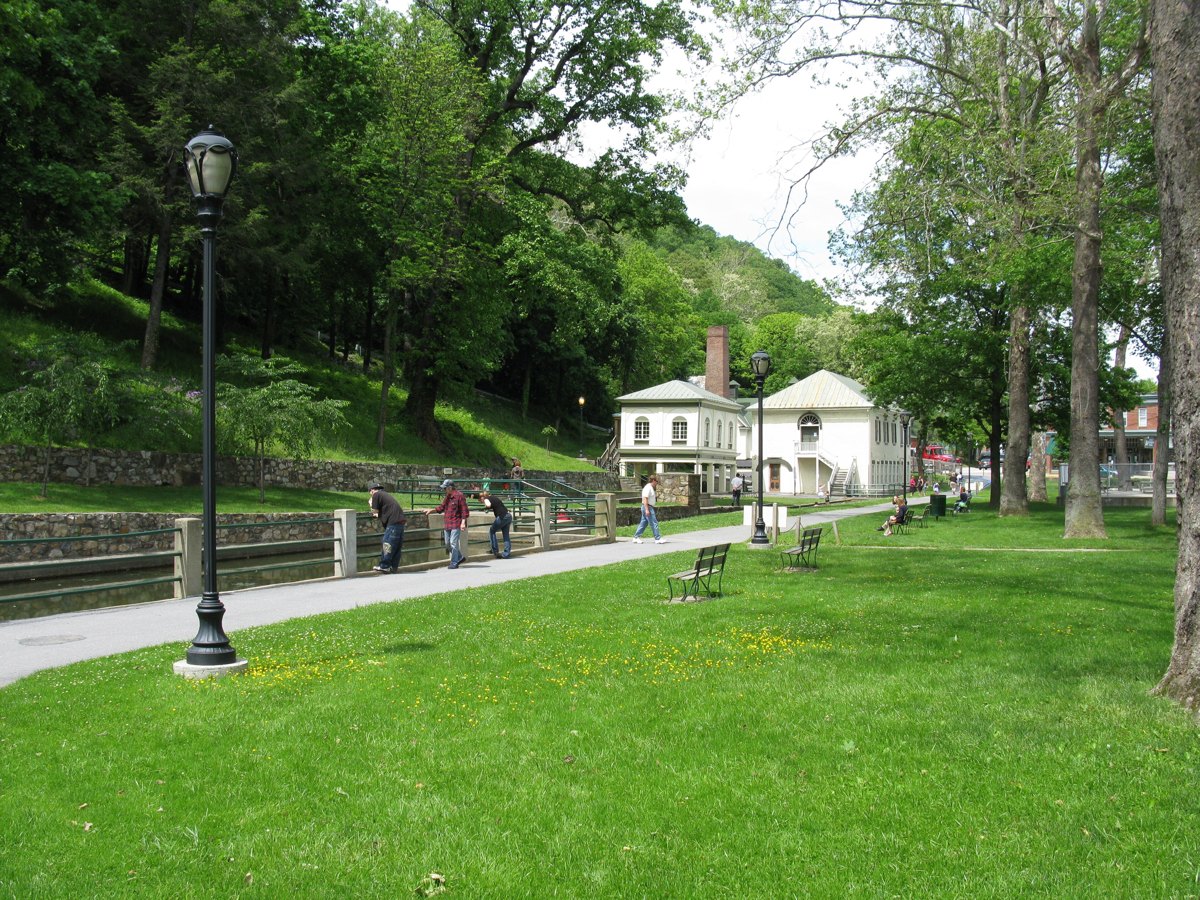
Long before spa weekends were a thing, a young George Washington came to these warm mineral springs to soak. The town was officially chartered as Bath in 1776, and its springs still flow at a steady, comfortable temperature right in the middle of town, inside a tiny state park in the center of town.
What to do: Book a private soak in the Old Roman Bath House at Berkeley Springs State Park. The bath house dates to 1815, and reservations are a smart idea. Fill a jug from the free public spring taps like the locals do, then wander the galleries and antique shops around the park. For a big view, drive Route 9 west to the Panorama Overlook, where three states and the Cacapon River valley spread out below you. Cacapon Resort State Park, just south of town, has a lodge, golf course and lake.
Good to know: In November 2026, crews battled the Kessel Fire on Cacapon Mountain inside Cacapon Resort State Park, and some trails were temporarily closed. Check our latest Kessel Fire update and the park's own notices before you plan a hike there.
Where to eat: Proof on Washington pairs elevated comfort food with a deep whiskey list, the Country Inn's restaurant and Morgan Tavern sits right beside the state park, and Charlotte's Cafe is a handy breakfast and lunch stop.
Where to stay: Choose between the lodge at Cacapon Resort State Park, spa resorts and cabins in the surrounding hills, and inns within walking distance of the baths.
Best time to go: Spring and fall, and especially Columbus Day weekend in October, when the Apple Butter Festival takes over the streets.
4. Charleston: A Capital City With a Small-Town Heart
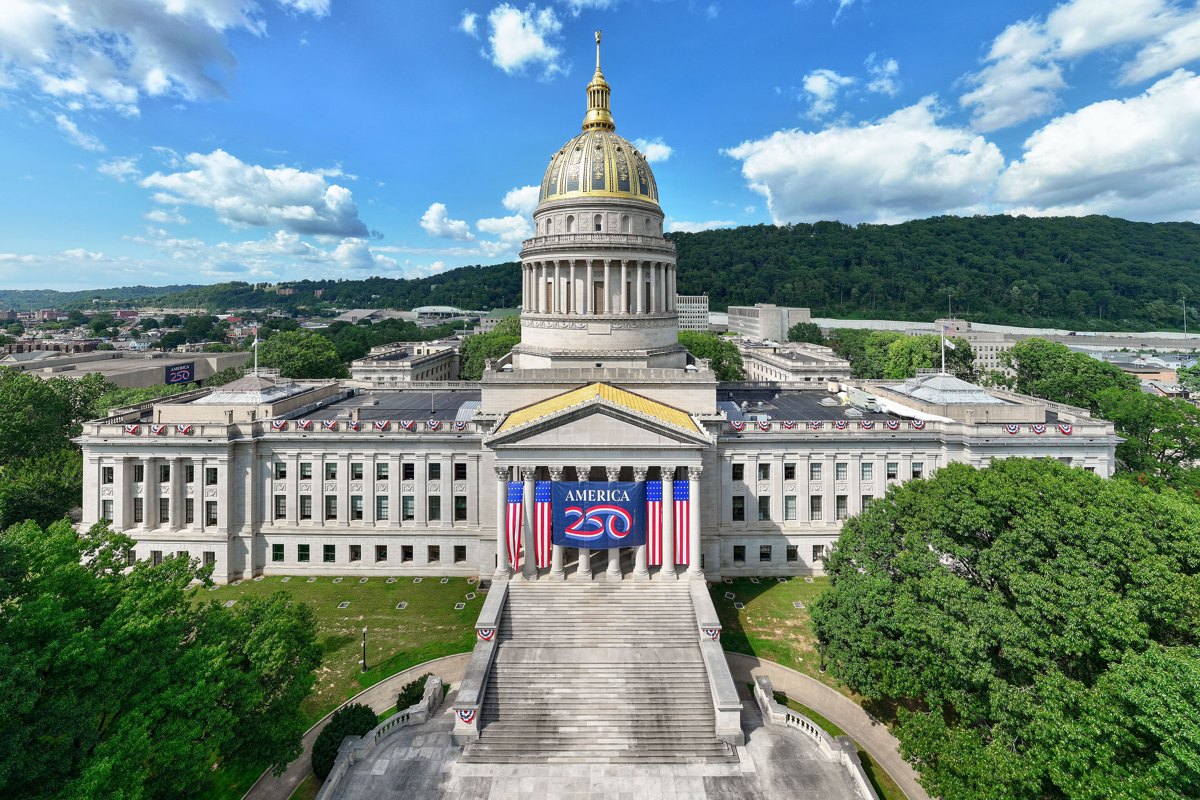
Charleston is West Virginia's largest city, but it never feels big. You can walk from the Kanawha River to the Capitol to dinner without breaking a sweat. And that gold dome, designed by Cass Gilbert and finished in 1932, stands a little taller than the one in Washington, D.C.
What to do: Take a free tour of the State Capitol, then cross the grounds to the Culture Center for the West Virginia State Museum, one of the best ways to learn this state's story in an afternoon. If you can, catch a taping of Mountain Stage, the long-running live music radio show recorded in the Culture Center Theater. The Clay Center has a science museum, art gallery and planetarium that families love. Haddad Riverfront Park hosts summer concerts, and Kanawha State Forest, just south of town, has miles of trails in a deep hollow.
Where to eat: Start at Capitol Market, a year-round market inside a restored railroad freight station, with produce, West Virginia products and spots to eat. For a special night, 1010 Bridge serves upscale Appalachian-inspired cooking. For something casual, Pies & Pints is a reliable pizza-and-beer stop.
Where to stay: Downtown hotels like the Charleston Marriott Town Center keep you within walking distance of the riverfront, the Civic Center and the restaurants on Capitol Street.
Best time to go: May through October, when the riverfront and outdoor markets are in full swing.
5. Fayetteville: Basecamp for America's Newest National Park
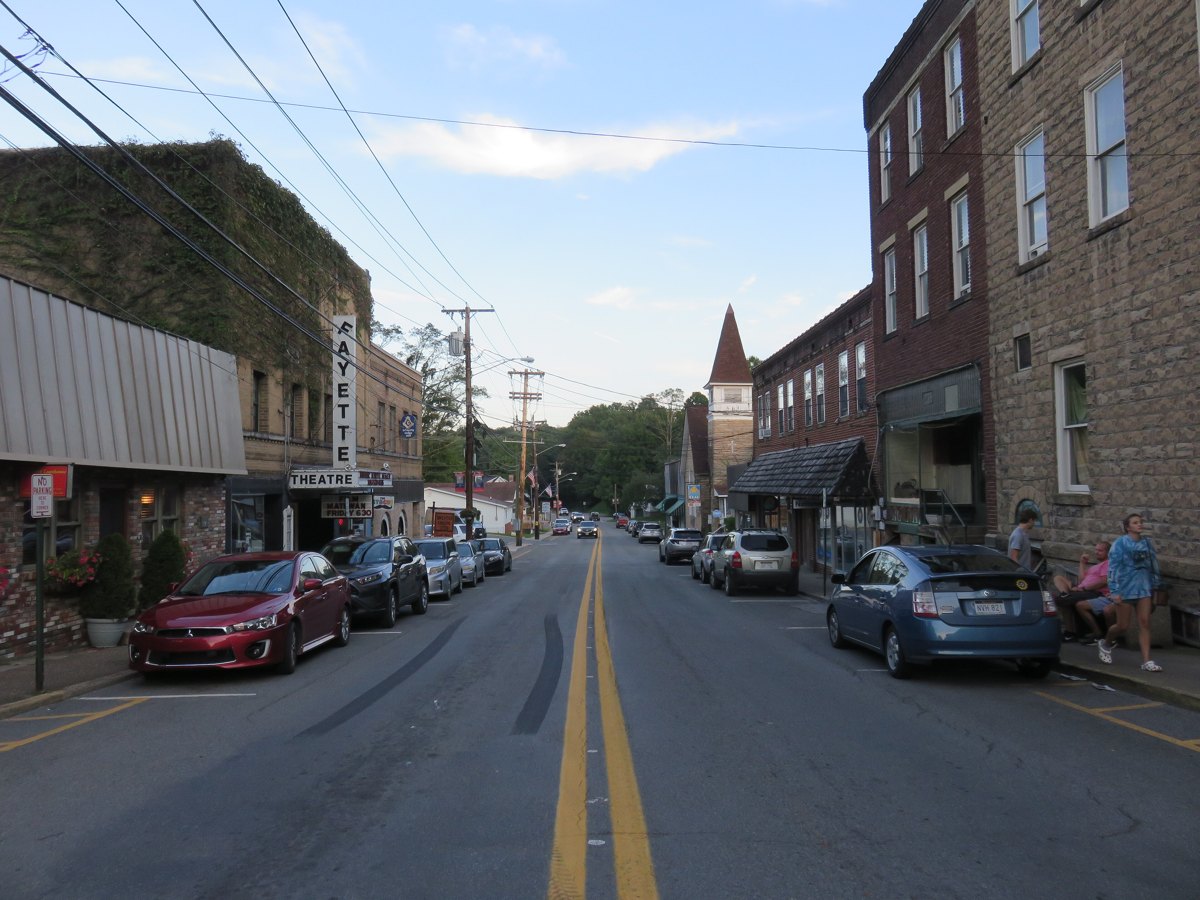
Fayetteville is a small courthouse town that happens to sit on the rim of one of the most dramatic places in the East. The New River Gorge became a national park and preserve in December 2020, and this town is the front door, with climbers, rafters, mountain bikers and everyday sightseers sharing the same sidewalks.
What to do: Start at the Canyon Rim Visitor Center for the classic view of the New River Gorge Bridge, which carries U.S. 19 about 876 feet above the river. Hike the Endless Wall Trail to Diamond Point or the shorter Long Point Trail for a jaw-dropping look at the bridge. Book a rafting trip with a local outfitter: the Lower New suits summer families, and the Gauley's fall release season is for thrill-seekers. On the third Saturday in October, Bridge Day closes the bridge to traffic and BASE jumpers leap off it, one of the biggest one-day festivals in the state. Curious how busy the park has become? Read our story on the gorge's record tourism.
Where to eat: Pies & Pints started here, on Maple Avenue, and it's still the after-adventure gathering spot. Secret Sandwich Society on Keller Avenue is famous for its creative sandwiches and porch seating.
Where to stay: Outfitter resorts with cabins and campsites ring the gorge, and there are cozy rentals and small inns right in town.
Best time to go: June through October. Book months ahead for Bridge Day weekend.
6. Beckley: Go Underground and Learn How West Virginia Was Built
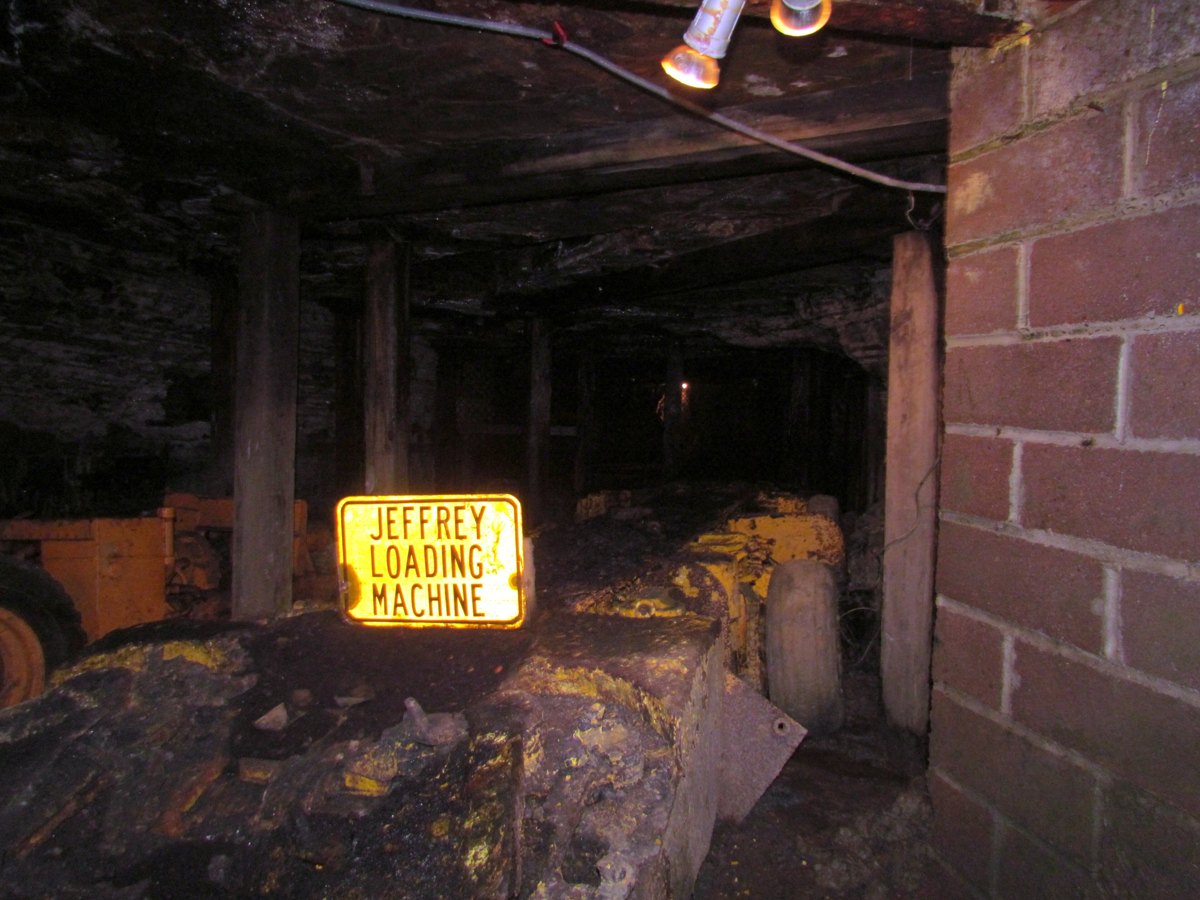
No town tells the story of coal, and the people who mined it, quite like Beckley. It's also a handy hub: I-64 and I-77 meet here, and the southern end of the New River Gorge is just minutes away.
What to do: Ride a mantrip deep into a real former mine at the Beckley Exhibition Coal Mine, where veteran miners lead the tours. Afterward, walk through the restored coal camp buildings above ground. The mine is open daily from April 1 through November 1. Next, stop at Tamarack, the showcase for West Virginia artisans just off the turnpike, where you can shop for handmade quilts, pottery and glass and watch artists at work. Then drive out to Grandview, part of the national park, where an overlook sits about 1,400 feet above a horseshoe bend in the New River.
Where to eat: Tamarack's food court leans into West Virginia flavors and makes an easy lunch on a road trip. Downtown Beckley has diners and local spots that locals swear by.
Where to stay: Beckley has the widest choice of hotels in southern West Virginia, which makes it a budget-friendly base for exploring the gorge.
Best time to go: April through October, when the exhibition mine is running.
7. Lewisburg: Big Taste in a Small Town
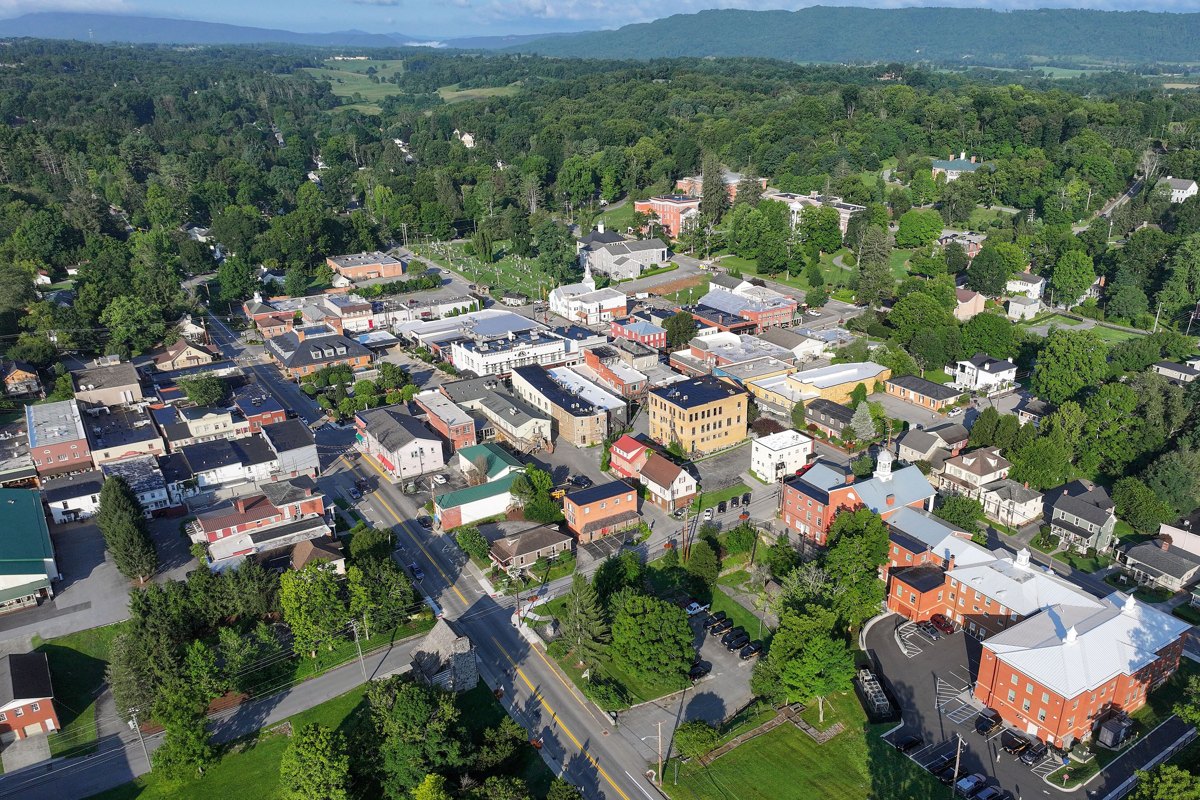
Lewisburg was once named the coolest small town in America by a national travel magazine, and it has spent every year since proving it. The historic district along Washington Street is packed with restaurants, galleries and boutiques, all within a few easy blocks.
What to do: See a show at the Greenbrier Valley Theatre, the state's professional theater, or a concert at Carnegie Hall, one of only a handful of original Carnegie Halls still operating anywhere in the world. Walk the antique shops, then head underground at Lost World Caverns. Cyclists and walkers can pick up the Greenbrier River Trail, a rail trail that follows the river for roughly 78 miles. The famous Greenbrier resort is about 10 minutes away in White Sulphur Springs, and the State Fair of West Virginia comes to nearby Fairlea every August.
Where to eat: This is where Lewisburg shines. Food & Friends has been the local special-occasion spot for generations. Stardust Café serves farm-to-table lunches. Hill and Holler fires up excellent pizzas, and Jim's Drive-In still brings burgers to your car window like it's 1955. For brunch, book the Jefferson Dining Room at the Historic General Lewis Inn.
Where to stay: The General Lewis Inn, parts of which date to 1834, is the charming pick. Boutique suites downtown and the grand Greenbrier nearby round out the options.
Best time to go: Any season works. Plan around the theater calendar, or August if you love a good fair.
8. Thomas and Davis: Two Tiny Towns, One Big Mountain Weekend
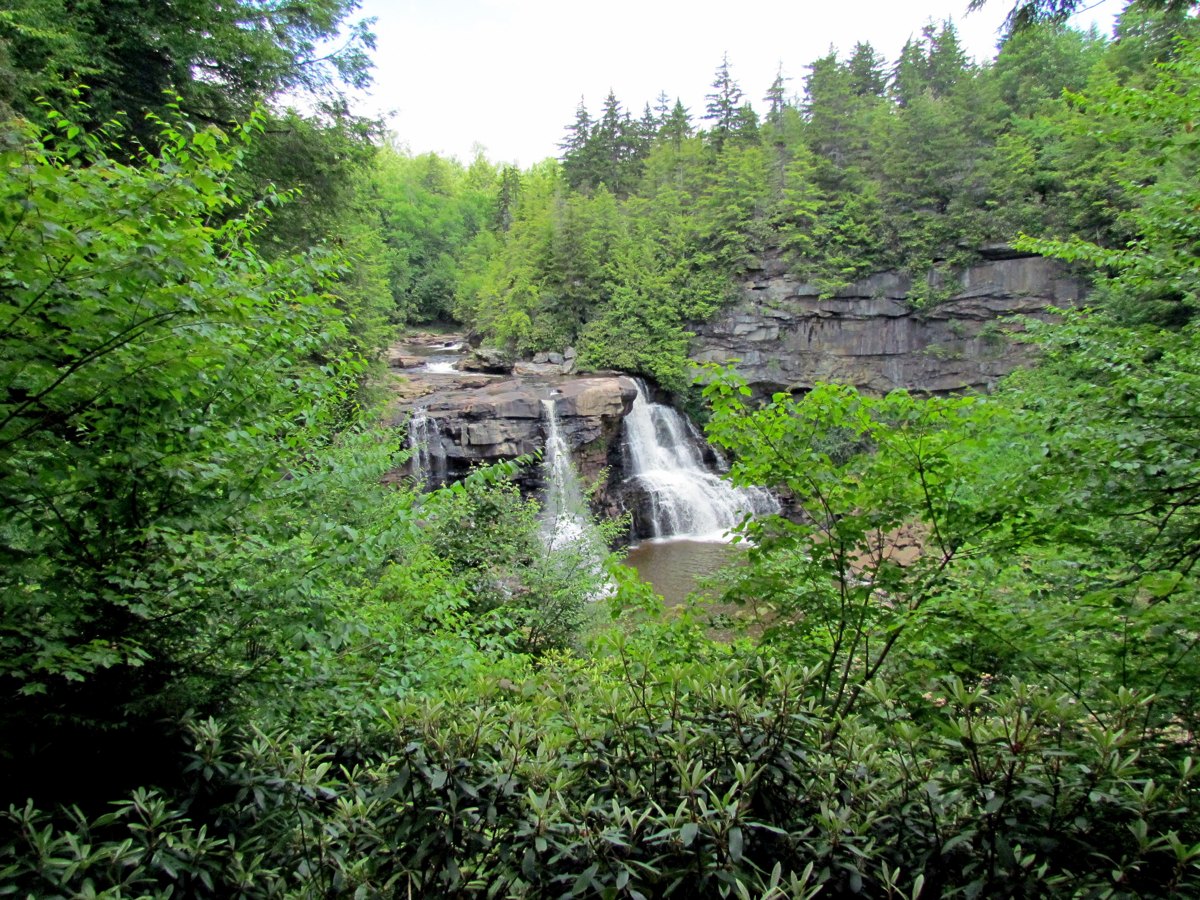
Up on the Allegheny highlands in Tucker County, Thomas and Davis sit just a few miles apart and feel like one creative mountain community. Old coal-era buildings now hold galleries, a music hall, breweries and coffee shops, and some of West Virginia's best scenery is minutes away.
What to do: Walk down to Blackwater Falls, where the amber-colored Blackwater River drops roughly 60 feet into the canyon, then take the short walk to Lindy Point for a sweeping canyon view. Hike or bike the Blackwater Canyon Trail out of Thomas. Drive up to the high plains of Dolly Sods Wilderness, which looks more like Canada than West Virginia. In winter, ski Timberline Mountain or Canaan Valley Resort, and cross-country skiers will find trails all around the valley.
Where to eat: In Thomas, the Purple Fiddle is a café and all-ages music room that books touring roots and bluegrass acts, and Mountain State Brewing's original pub serves wood-fired flatbreads. Over in Davis, Hellbender Burritos reopened under new owners in 2026 with its famous oversized burritos, and Stumptown Ales pours some of the best beer in the state.
Where to stay: Choose from the lodge and cabins at Blackwater Falls State Park, Canaan Valley Resort, the retro-cool Billy Motel in Davis, or one of the many cabins in the valley.
Best time to go: Early October for blazing fall color, and January through March for snow. Many businesses close a couple of days midweek, so check before you go.
9. Elkins: All Aboard for the Mountains
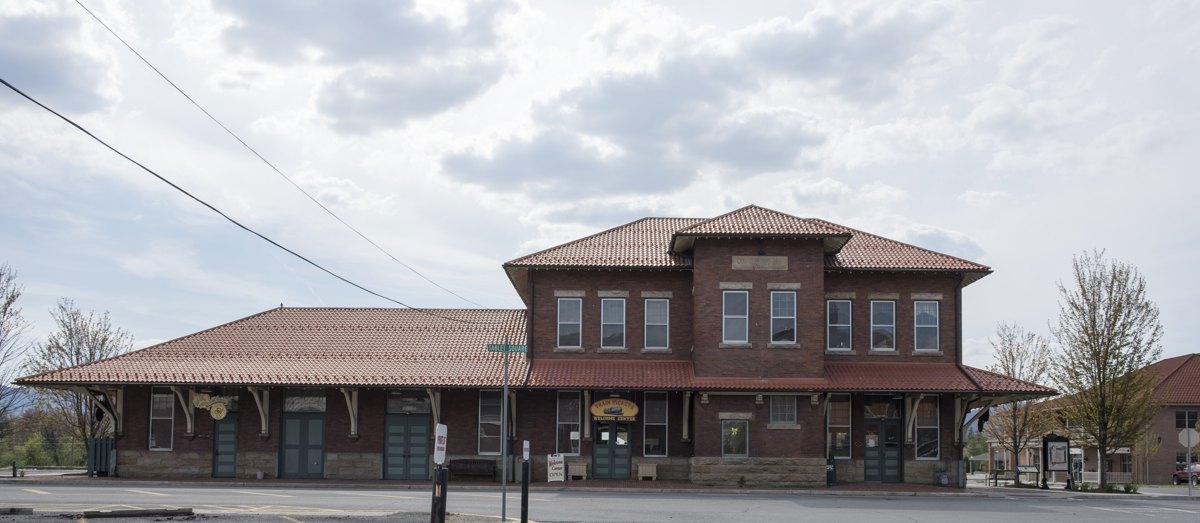
Elkins is the gateway to the Monongahela National Forest, nearly a million acres of mountains, rivers and wilderness. Surprisingly, its downtown is flat and very walkable. Davis & Elkins College sits on the hill above, and the old railroad depot is still the heart of town.
What to do: Board the New Tygart Flyer at the Elkins depot for a four-hour trip along the Shavers Fork to the High Falls of Cheat, with lunch included. It usually runs weekends from May through October, so book ahead. The Allegheny Highlands Trail starts right at the depot. Drive up to the 1930s Civilian Conservation Corps fire tower at Bickle Knob for a 360-degree view, and check the Augusta Heritage Center's calendar for traditional music and dance. Every October, the Mountain State Forest Festival, one of the state's oldest festivals, fills the town.
Where to eat: Oxley House, inside the restored Tygart Hotel, serves elevated Appalachian food. The Forks Inn offers a romantic dinner on the hill. C.J. Maggie's is a casual favorite, and Big Timber Brewing honors the town's lumberjack roots.
Where to stay: Stay downtown at the Tygart Hotel, at the Graceland Inn on the Davis & Elkins campus, or in a cabin out in the national forest.
Best time to go: May through October, while the trains run. Early October brings the Forest Festival and peak color.
10. Morgantown: Mountaineer Spirit, River Trails and Big Views
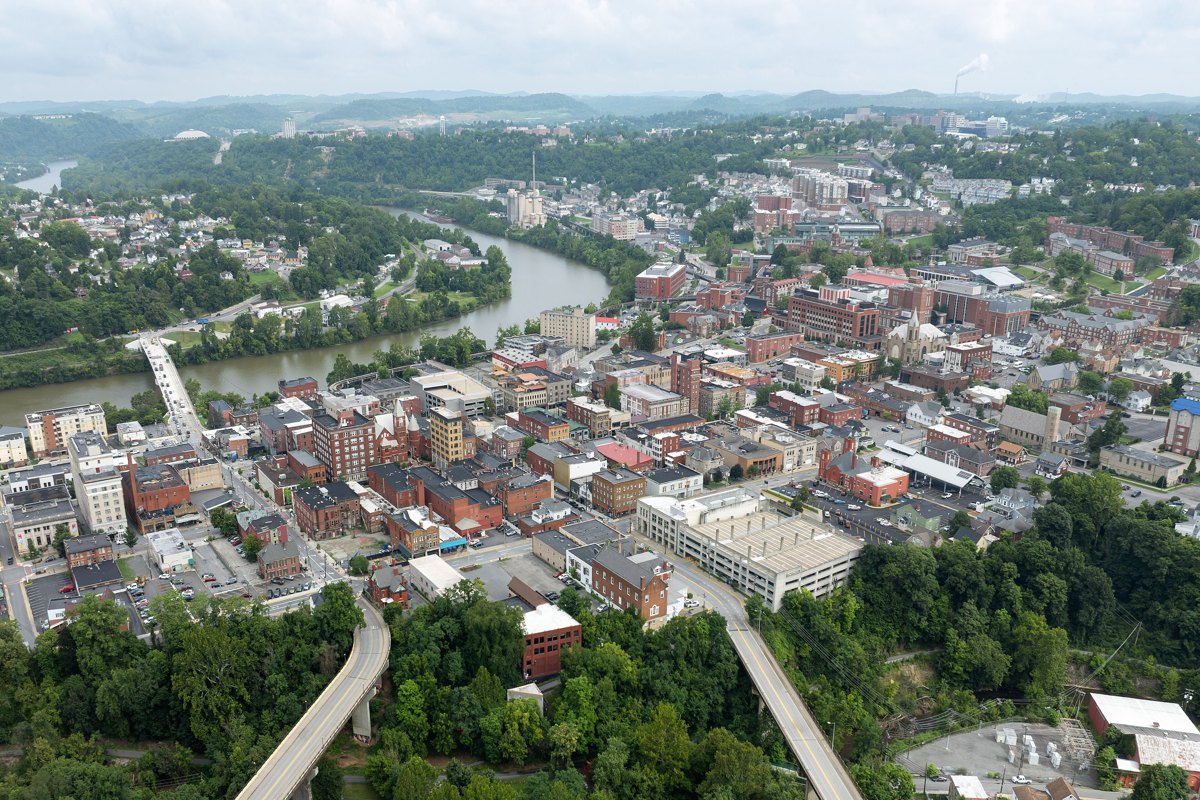
Home of West Virginia University, Morgantown has the energy of a college town and the setting of a mountain one. Football Saturdays are a statewide holiday, but there's plenty here even when the Mountaineers are away.
What to do: Walk or bike the Mon River Rail-Trail along the Monongahela, right from the downtown Wharf District. Ride the PRT, WVU's driverless little transit cars that have zipped between campuses since the 1970s. Drive 20 minutes east to Coopers Rock State Forest for one of the most famous overlooks in the state, high above the Cheat River canyon, and spend a summer afternoon on Cheat Lake. Back in town, wander the WVU Core Arboretum, which bursts with wildflowers in spring.
Where to eat: Explore High Street downtown for cafés, bars and global food. Mountain State Brewing has a location on Clay Street, and the Secret Sandwich Society has a newer outpost in Suncrest Towne Centre.
Where to stay: The historic Hotel Morgan puts you in the middle of downtown. You'll find newer hotels near the Wharf District and along the interstate.
Best time to go: September and October for crisp air, fall color and game days. Book early for home football weekends, because rooms vanish.
11. Wheeling: A Victorian River City That Glows in Winter
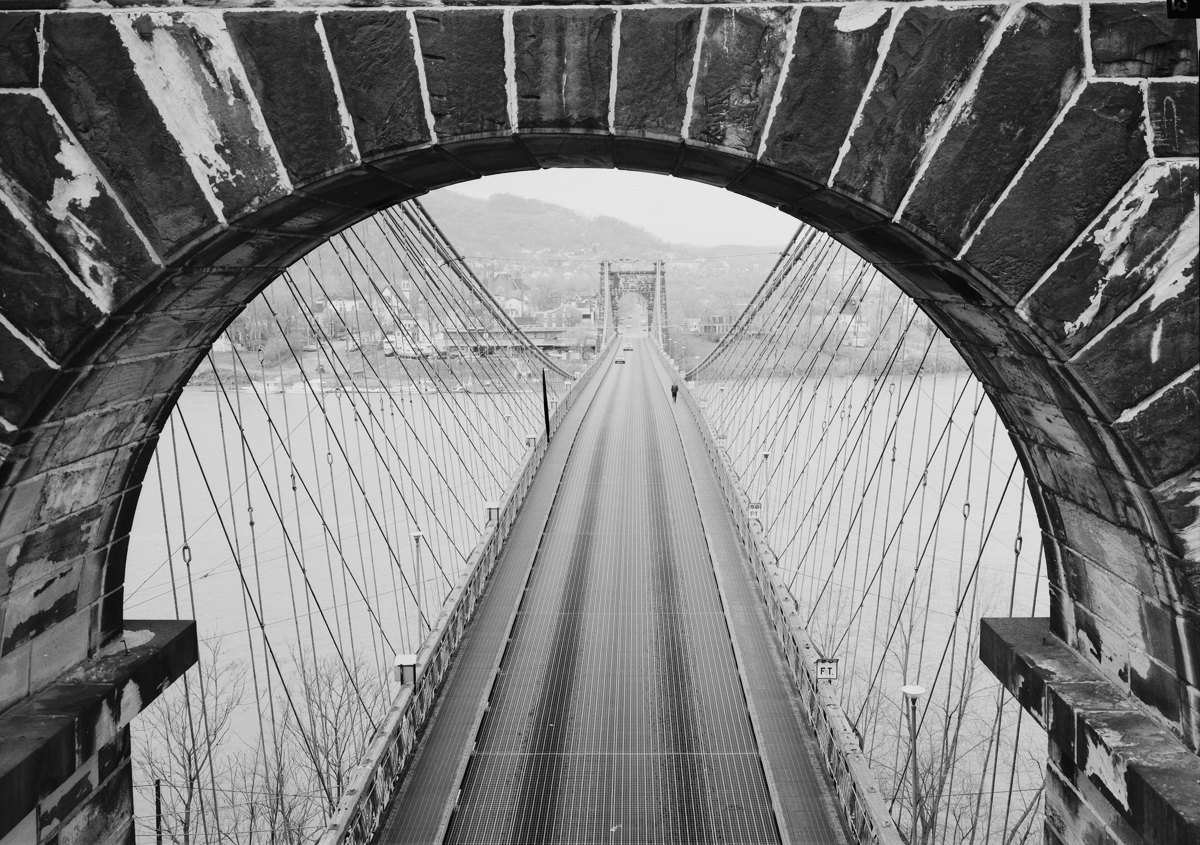
Wheeling is where West Virginia was born. The conventions that led to statehood met at what is now West Virginia Independence Hall, and the city's Victorian homes, river views and grand old theater still speak to its glory days as a Gilded Age industrial powerhouse.
What to do: Walk out to see the Wheeling Suspension Bridge. When it opened in 1849, it had the longest span of any suspension bridge in the world. Tour West Virginia Independence Hall downtown, then catch a concert at the 1928 Capitol Theatre or a show by the long-running Wheeling Jamboree. Up the hill, Oglebay Park has a zoo, gardens, golf and, every winter, the Festival of Lights. This season's six-mile drive-through runs nightly through January 3, 2027, as we covered here.
Where to eat: Don't leave without a fish sandwich from Coleman's Fish Market in the historic Centre Market, a Wheeling tradition. Locals will also point you to Wheeling-style pizza, where the toppings go on cold after the pie comes out of the oven.
Where to stay: Wilson Lodge at Oglebay puts you right next to the lights and trails, and there are hotels downtown and near The Highlands shopping area off I-70.
Best time to go: November through early January for the Festival of Lights, or summer for riverfront concerts.
12. Huntington: Parks, Art and a Plate of Spaghetti With History
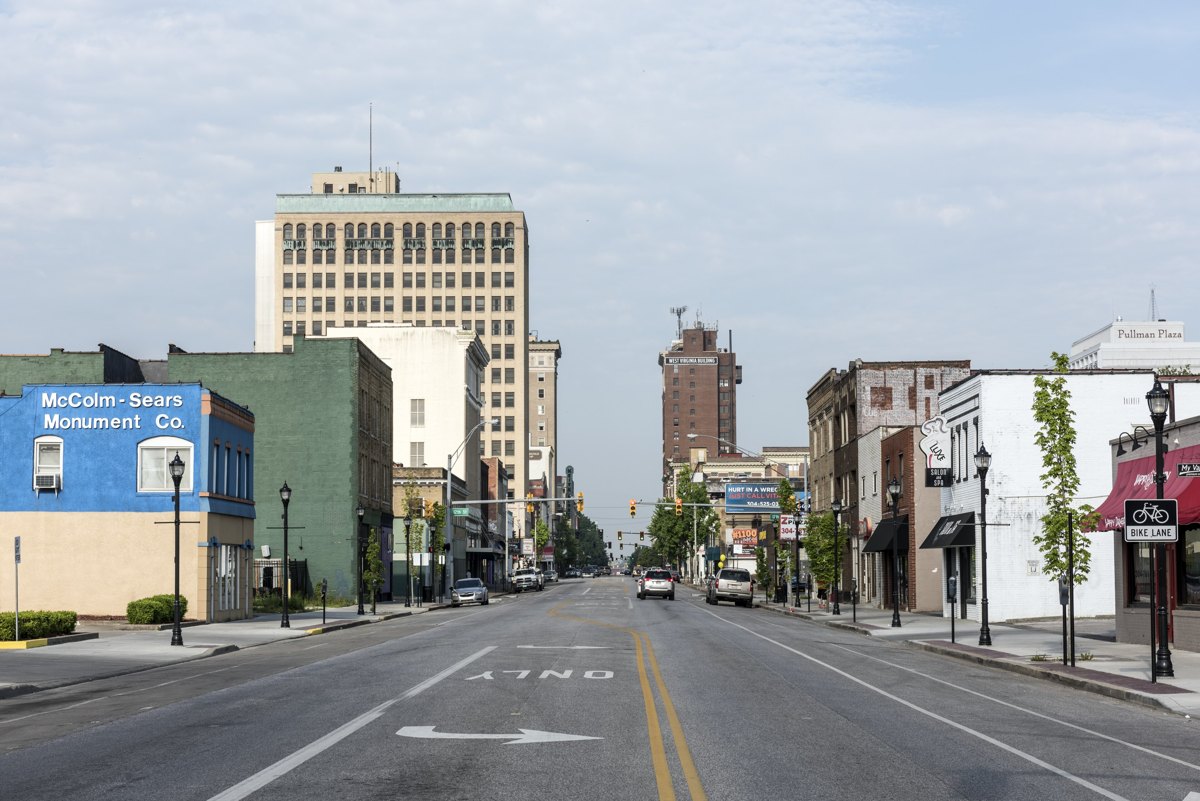
Huntington, the home of Marshall University, sits on the Ohio River at West Virginia's western edge. It's a city of handsome tree-lined boulevards, deep Thundering Herd pride and some of the most beloved old-school restaurants in the state.
What to do: Spend a morning in Ritter Park, with its stone archways, walking paths and award-winning rose garden. The Huntington Museum of Art sits on a hilltop nearby and has nature trails of its own. Downtown, Heritage Station, a restored railroad depot, holds local shops and the visitors center. Catch a show at the Keith-Albee Performing Arts Center, a 1920s movie palace. In summer, the kids will want Camden Park, a classic amusement park with the wooden Big Dipper coaster.
Where to eat: Jim's Steak & Spaghetti House on Fifth Avenue has been serving spaghetti and homemade pie since the 1930s. Hillbilly Hot Dogs, out on Ohio River Road in Lesage, is gloriously over the top.
Where to stay: Downtown hotels near Pullman Square keep you walking distance from the restaurants, the riverfront and Marshall's campus.
Best time to go: May through October, when the roses bloom and Camden Park is open.
13. Point Pleasant: Meet the Mothman
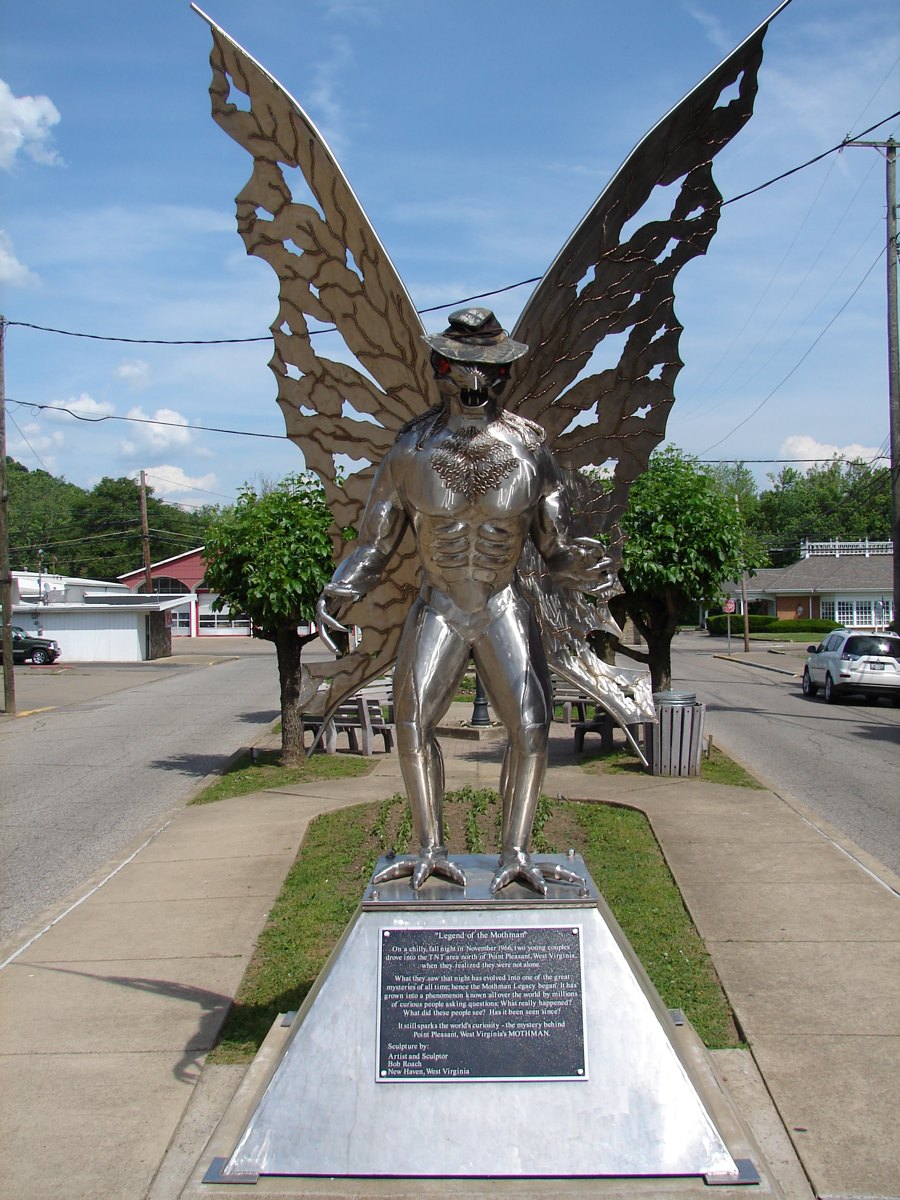
Point Pleasant is West Virginia's most famous small town for one very strange reason. In November 1966, people here reported a winged, red-eyed creature, and the legend of the Mothman was born. The town has embraced it with open arms (or wings), and the legend is about to go national: Mothman is one of the creatures on a U.S. Postal Service stamp set planned for 2027.
What to do: Snap a selfie with the gleaming Mothman statue on Main Street, then step into the Mothman Museum next door for eyewitness accounts and memorabilia from the film. Walk the riverfront floodwall murals, which paint the town's history, and pay your respects at the Silver Bridge memorial, honoring the 46 people lost when the bridge collapsed in December 1967. Tu-Endie-Wei State Park marks the 1774 Battle of Point Pleasant at the spot where the Kanawha meets the Ohio, and the Point Pleasant River Museum tells the story of life on the rivers.
Where to eat: Main Street has coffee, diners and plenty of Mothman-themed treats. Pull up a stool and ask the locals for their own Mothman stories.
Where to stay: The historic Lowe Hotel on Main Street opened in 1901 and is said to be a little haunted itself. It books up early for festival weekend.
Best time to go: The third weekend of September, when the free Mothman Festival fills downtown. For a quieter visit, try any other weekend from spring through fall.
Plan a West Virginia Road Trip
Want to see more than one town? These routes link them up nicely:
- Eastern Panhandle weekend: Harpers Ferry, Shepherdstown and Berkeley Springs are all within about an hour of each other.
- Gorge and Greenbrier loop: Fayetteville, Beckley and Lewisburg pair adventure, heritage and great food in one trip down I-64.
- Highlands getaway: Thomas and Davis plus Elkins make a perfect fall-foliage drive through the Monongahela National Forest.
- River towns run: Wheeling, Huntington and Point Pleasant follow the Ohio River down the state's western edge.
The Bottom Line
You could spend a lifetime exploring West Virginia and still find a new back road, a new overlook and a new favorite place to eat. These 13 towns are a great place to start. Each has its own story, and every one of them will welcome you like you've been coming for years. Pack your hiking boots and an appetite, and leave a little room in the car for a jar of apple butter on the way home.
Did your favorite town make the list? Tell us on the Almost Heaven West Virginia Life Facebook page which hometown gem we should feature next.
Details and hours change, so confirm with each business or park before you go.