
A Road Back to Work: Nearly $1.5 Million to Help West Virginians in Recovery Get Back on the Job
Gov. Patrick Morrisey announced $1,486,500 for four programs that connect West Virginians recovering from substance use disorders with job training, transportation help, health care and employment.
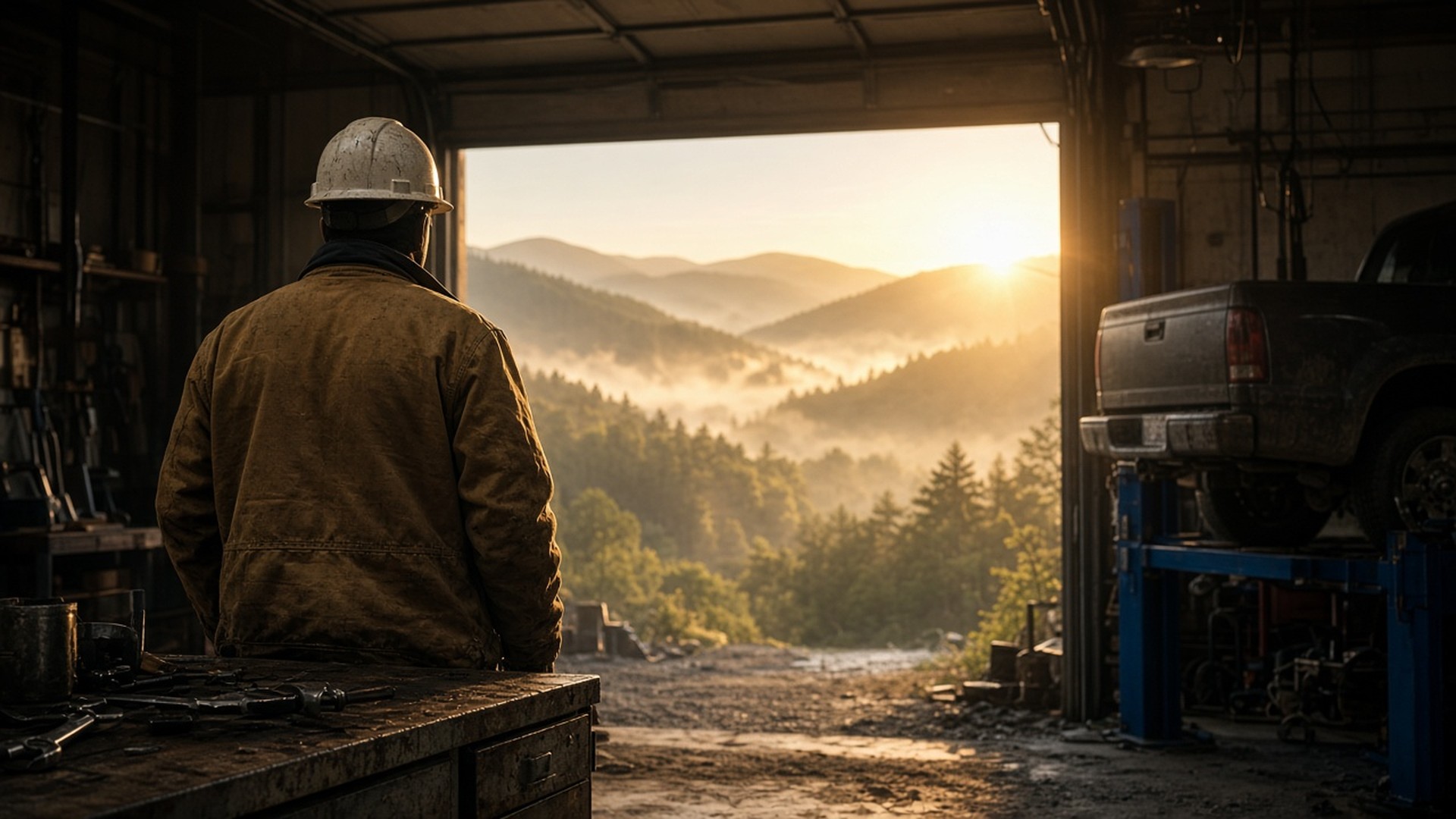
Anybody who has watched a friend, a cousin or a neighbor fight their way out of addiction knows that getting clean is only the first mountain. After that comes the climb back to a steady paycheck, a reliable ride and a life you can build on. On Tuesday, the state put nearly $1.5 million behind helping West Virginians make that climb.
Gov. Patrick Morrisey announced $1,486,500 for four programs aimed at helping people recovering from substance use disorders improve their health, get past the barriers that keep them from working, and get back on the job. According to the governor's office, $1,236,500 comes through the Appalachian Regional Commission and $250,000 through West Virginia's Rural Health Transformation Program.
"West Virginia has fought a long and difficult battle against substance abuse, and we cannot afford to lose another generation to addiction," Gov. Morrisey said. "Recovery means giving people the opportunity to rebuild their lives."
Where the Money Is Going
Harrison and Doddridge counties: $500,000. The United Way of Harrison and Doddridge Counties will run RecoveryWorks Appalachia, which plans to serve 100 people with substance use disorders and other barriers to employment. The program combines recovery support, housing help, job training and paid work experience, and its Work Bank will offer transitional jobs, with a goal of getting 70 to 75 participants into employment or advanced training.
Statewide: $499,500. The Mountain State Educational Services Cooperative's DRIVE initiative tackles one of the biggest hurdles in a rural state: getting to work. It will offer vehicle repair help, expanded vehicle donations, CDL training and workforce support, working alongside partners including Mountain State Jobs & Hope, the West Virginia Military Authority, Good News Mountaineer Garage and WorkForce West Virginia. The program is expected to serve about 220 workers and trainees across all 55 counties.
Mingo County: $250,000. Williamson Health & Wellness Center will expand its New Heights recovery-to-work program, pairing adults in recovery with mobile peer recovery coaches, job training, transportation help and local employers to support long-term return to the workforce.
Six central and southern counties: $237,000. The West Virginia Ministry of Advocacy and Workcamps' SERVE initiative will provide workforce readiness training, industry-recognized certifications and hands-on construction experience for about 45 people in recovery in Nicholas, Fayette, Kanawha, Mason, Raleigh and Webster counties, connecting them with jobs and apprenticeships through home repair and community development projects.
Building Something That Lasts
The common thread is simple: health care, training, transportation and a real job, all pulling in the same direction. "When we help someone get healthier, develop new skills, and find meaningful employment, we're strengthening families and giving more West Virginians a chance to build a better future," the governor said.
Here in the Mountain State, we've never been shy about hard work, and we've never given up on our own people. If someone you love is in recovery and looking for that next step, these programs could be a door worth knocking on.
Share this article