
With Thanksgiving just around the corner, a lot of families in Monongalia County are opening their mailboxes to bad news: letters saying their SNAP food benefits are being cut off.
Scott's Run Settlement House, the oldest social service organization in Mon County, says it is now seeing at least six clients a day who are dealing with problems with their Supplemental Nutrition Assistance Program benefits. According to executive director Brian Butcher, the denial letters coming through his doors have all been tied to the program's work requirement.
That rule applies to what the program calls Able-Bodied Adults Without Dependents. Recipients between 16 and 59 must register with the state's workforce development office, take part in SNAP training and accept a suitable job if one is offered. Once they are working, they can't voluntarily quit a job and keep their benefits.
Butcher said some of the cases may come down to timing. Some folks likely reapplied the same way they always had, not realizing the work requirements changed the picture. In those situations, his staff is walking families through the steps to get back into the program, and some cases may get sorted out with help from federal representatives' offices.
Volunteer hours can count
There is one bit of good news in all of this. Under federal law, volunteer hours can count toward the requirement, which works out to 80 hours a month, or about 20 hours a week. The United Way and other local groups are working together on a central spot where people could pick up volunteer work that counts, so nobody has to lose their benefits for lack of options.
Scott's Run Settlement House is offering volunteer opportunities of its own at its Cheat Lake and Osage locations. Butcher said there is always daily work to be done there, and the need for helping hands can double when the monthly food allotment arrives. Volunteers can also pitch in at food distributions and other community events, while learning about resources along the way.
How you can help this Thanksgiving
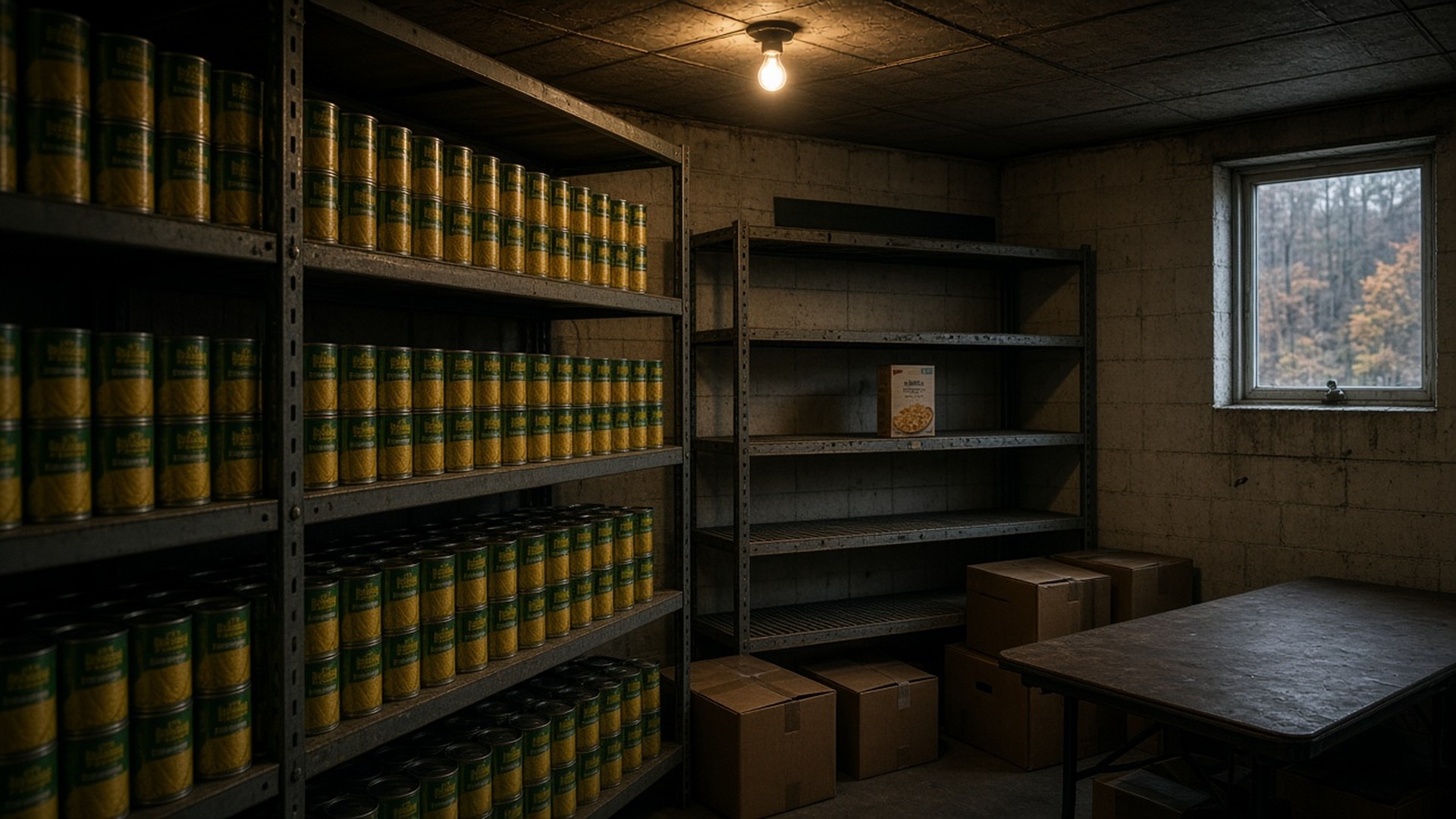
Food pantries and feeding programs across the area need donations heading into the holiday. Butcher's advice for anyone who wants to give: consider sending money instead of cans. Pantries struggle to keep a good mix of food on their shelves, and a cash gift lets them buy exactly what they are short on. At one point, he said, his shelves held about 500 cans of corn and no cereal at all.
If you or someone you know got one of these letters, don't just set it aside. Reach out to a local social service agency or your county's assistance office to find out what your options are. And if you are able to help, your local pantry could use it now more than ever. That's how West Virginians have always done it: neighbors looking out for neighbors.