
Power Lines vs. Our Farmland: West Virginia Landowners Speak Up as MARL Hearings Continue
As state regulators hear testimony on the proposed MARL transmission line, landowners raise questions about their property and Agriculture Commissioner Kent Leonhardt calls for protecting West Virginia farmland.
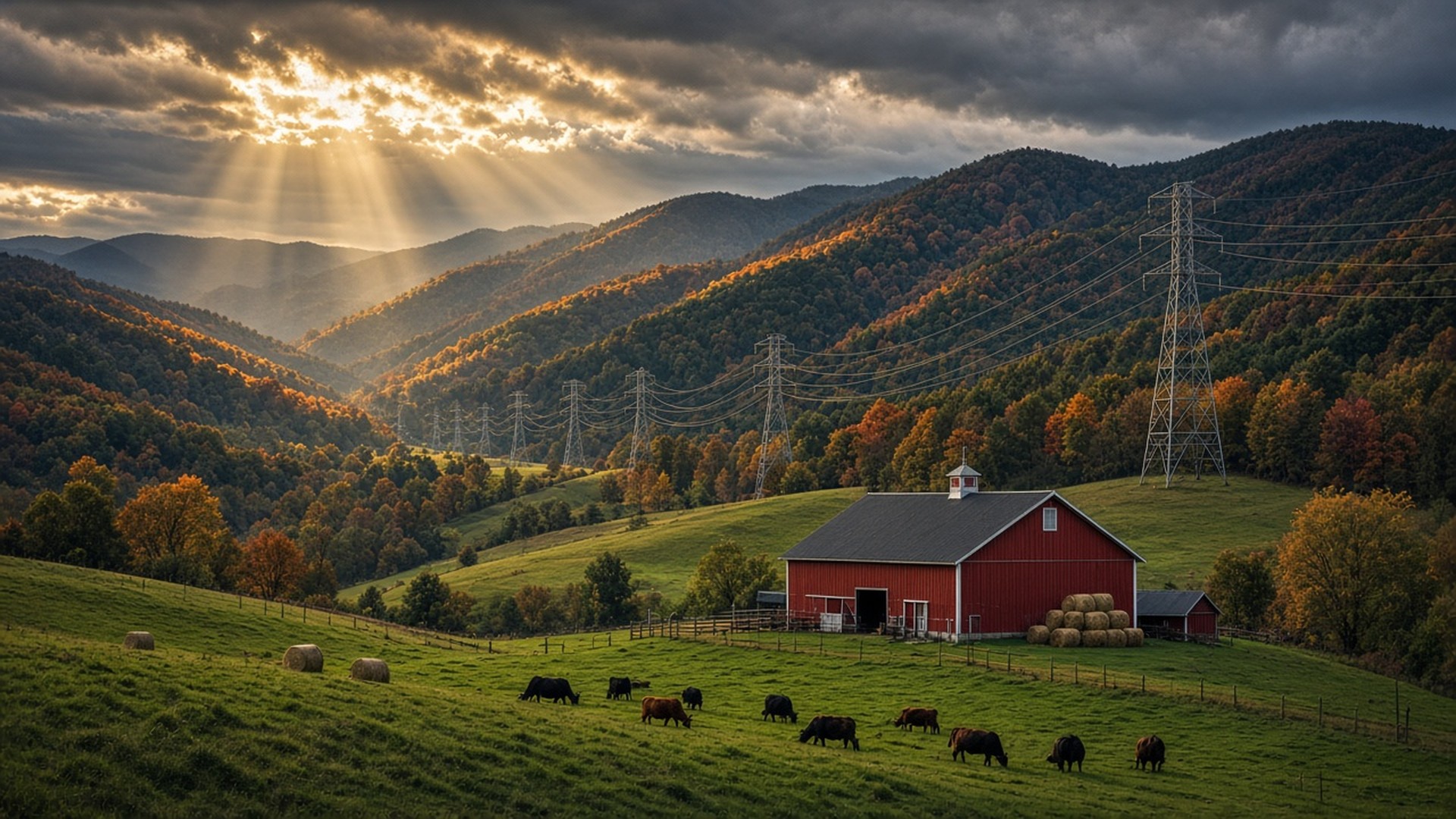
Ask anybody who grew up on a West Virginia hillside farm and they'll tell you the land isn't just dirt and fence posts. It's hay put up every summer, cattle that know the way to the barn, and ground that's been in the family for generations. This week, that land is at the center of one of the biggest debates in the state.
In Charleston, the Public Service Commission of West Virginia is holding evidentiary hearings on the Mid-Atlantic Resiliency Link, better known as MARL. NextEra Energy Transmission MidAtlantic is asking the commission for permission to build and operate the West Virginia portion of the proposed 107.5-mile, 500-kilovolt power line, which would run from Dunkard Township, Pennsylvania, through counties including Monongalia, Preston, Mineral and Hampshire on its way to Gore, Virginia.
Landowners Get Their Say
The commission set aside October 26 through 30 and November 2 for the hearings, and it has received prefiled testimony from roughly 64 intervenor witnesses, many of them property owners along the proposed route. Landowners, most of them without lawyers, have been allowed to put their own questions to the company's witnesses.
Their questions were the kind you'd hear around any kitchen table: What will I still be allowed to do with my land? Is the offer I got fair? Who fixes the road, the bridge or the well if construction damages them, and how fast?
A NextEra senior director testified that farming and recreation could continue under the line. "That could be row crops, that could be corn, that could be hay," she said. "All of that remains available, and it's also available for recreation, walking and hunting throughout that area, but no structures are permitted." She also said the company's restoration plans for any construction damage won't be written until a construction contractor is hired, and that the company will keep negotiating with landowners after the hearings end.
"Let's Do It the Best Way"
MARL isn't the only big line on the map. The proposed Valley North Transmission Line would stretch about 260 miles at 765 kilovolts from Putnam County to Maryland, crossing 20 West Virginia counties. Add in the data center projects being pitched around the state, and farmers have plenty of questions.
State Agriculture Commissioner Kent Leonhardt says West Virginia is at a crossroads, and he wants farmland protected as these projects move forward. "I heard from a lot of farmers that were actually concerned about where's the route going?" Leonhardt said. "Is this going to impact my farmland? What's happening?"
Leonhardt noted that while every state is losing farmland, West Virginia is losing it more slowly than most, and he wants to keep it that way. He called on developers to be upfront with landowners about how projects will affect their property, to keep disruption to farm work to a minimum, and to pay affected landowners fairly. He stressed that his concerns aren't aimed at any single project.
"We do want economic development, obviously," he said. "But let's do it, not necessarily the easiest way, but let's do it the best way."
What Comes Next
The Public Service Commission has not made a decision on MARL. For families in the path of these lines, the coming months will decide a lot about the future of land that has fed West Virginians for generations. Whatever happens, one thing's for sure: Mountaineers aren't shy about standing up for their ground.
Share this article